#Transformers: Smart podcasts that could change you, and your business

by Charlie Mathews & Morgan Botha. Transformation, at its essence, is an expansive movement; it’s about reaching out, listening, learning and challenging yourself to be and do better, whatever “better” means to you. It takes hard work, and part of that is finding the right role models and mentors or education to propel you forward.

Self-confidence

“In business, I’m a beast. Like, I will always be successful in business. I was, from six years old, and I am now.” This self-confidence juggernaut is the marketing machine-cum-internet personality and best-selling author, Gary Vaynerchuk. Speaking on The Garyvee Audio Experience, he talks about looking at himself in the mirror when he was 30 [he’s now 44] and realising that he was losing his edge. “I revisited my hustle on my 30th birthday, and I’ve never worked harder since. And it [the hard work] has been compounded. I am working harder this second than I have ever my entire life.”

But this confidence doesn’t just materialise; it takes a real toll. In a 13-minute piece called “Hard Work Is the ONLY Thing You Can Control”, the marketing master talks about a time he wasn’t on top. “I lost my hustle… around 29,” he confesses. “There was a six-to-nine month period where it was clear to me that I was complacent.” He recalls when his reckoning came: “I remember riding to the store on my 30th birthday, looking in the rear-view mirror and saying: ‘You’re full of shit. Your mouth is ahead of your actions.”

MarkLives logoWhile we have your attention, please would you consider taking out a MarkLives membership to help finance our operations? The covid-19 pandemic is having a huge impact on society and industry. With your support, either as a once-off or monthly contribution, we can continue our coverage of its impact on our industry.


Transformation is hard, hard work

Vaynerchuk is hard on himself but he’s right. Transformation isn’t achieved with cruise control. Striving and toil is how Garyvee moved forward, and work is one of his highest defining values. He is relentlessly hard-working — but he works smart, too. A case in point is the recent 270-page deck he put out on how to create huge volumes of marketing material quickly. At the core of this thinking is what he calls pillar content. The idea is this: make meaningful long-form content and then “slice and dice” it cleverly so that one piece creates enough content for all your channels for a month. This helps to build vast libraries of content, which, if you iterate and understand SEO, gets better the more you make it.

Before we go any further, here are seven clever content tips from him that you can start using straight away to boost your social marketing:

  1. Screenshot your tweets and turn them into Instagram posts
  2. Download your TikTok clips and post them on Instagram stories
  3. Take pictures with partners, customers, or clients and add long copy for context. Post on Instagram, LinkedIn, Facebook, and/or Twitter
  4. Cross-post your Instagram stories to Facebook Stories and Snapchat
  5. Create lightweight memes with the Preview App or Microsoft Paint
  6. Screenshot your Twitter interactions, and post on Instagram stories
  7. Use polls on Facebook and Instagram for market research

Always real and relevant

Always relevant, the Garyvee Audio experience offers marketing advice that fits the now, whether he’s speaking about how to market to Gen Z or offering insight on how TikTok may be used as part of a marketing strategy. What’s valuable about the podcast is that he’s also created a space that acknowledges what a terrible time human beings are experiencing currently, and he offers pragmatic advice on how to deal with it. Vaynerchuk addresses people who, in his words, ‘feel stuck in life’, and it’s refreshing to see how plainly and authentically he counsels people not to feel overwhelmed.

Podcast consumption has soared in recent times, thanks to the pervasive growth of smartphones, the device most preferred by people for listening to this kind of digital audio. Reuters Institute’s Digital News Report for 2020 interviewed 80 000 online news consumers in 40 markets, and half of those under the age of 35 had consumed at least one podcast over the last month. “Across countries, half of all respondents (50%) say that podcasts provide more depth and understanding than other types of media,” the institute for the study of journalism reports.

The Joe Rogan juggernaut hits gold

Today, Spotify is the world’s biggest destination for podcasts, which is why Joe Rogan’s move to the Swedish-born streaming company has been such big news. In May 2020, The Wall Street Journal announced that Rogan and Spotify had inked an exclusive deal, valued at over US$100m, to move the comedian-turned-podcaster and his massive audience to the digital service. This means that he will now earn much more money than most of the musicians currently on Spotify.

Ted Gioia, music historian and critic, put this into perspective with his tweet: “A musician would need to generate 23 billion streams on Spotify to earn what they’re paying Joe Rogan for his podcast rights (assuming a typical $.00437 payout per stream). In other words, Spotify values Rogan more than any musician in the history of the world. Sound fair to you?”

This deal is likely to make the MMA commentator the wealthiest broadcaster in the world.

Does this mean that you, too, are likely to become rich and famous by starting a podcast? The BBC addresses hopefuls head-on by saying: “It is generally difficult to make large amounts of money in the crowded world of podcasts. As most podcasts are free to download, many presenters and producers attempt to make money from endorsements and advertising. A platform-exclusive deal such as this is very rare.”

Relevance and news drive listenership

However, podcasting has been used exceptionally well by news brands to build loyalty. The New York Times has a podcast, The Daily, which currently has some 2m listeners a day and which attracts substantial advertising revenues. Plus covid-19 has produced its own breakthroughs, such as a podcast created in Germany by one of that country’s top virologists, Das Coronavirus-Update, which is top of the podcast charts in that country.

Given that there are over a million podcasts to choose from, you will need to curate your podcast list to ensure you get extreme value. To get you on your way, MarkLives.com has selected the most-inspiring and -useful transformative business, life and marketing podcasts for you to enjoy.

Five transformative podcasts for transformational marketers

The Hustler’s Corner
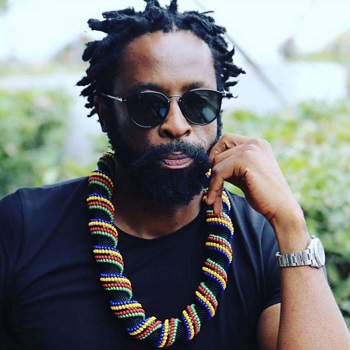
DJ SbuSouth African celebrity, DJ Sbu, has created a podcast that is informative, authentic, and laid-back. With episodes such as “How to Take Advantage of Lockdown”, he encourages self-improvement and staying accountable to yourself. Sbu doesn’t shy away from the tough, gritty issues such as HIV or dealing with the difficult parts of working and parenting. His focus is on the authentic — genuine people, something big agencies sometimes lose sight of. The Hustler’s Corner can be the wake-up call for creatives because it peels back the layer on the very humans that agencies create campaigns for.

Matt Brown Show

South African best-selling author and entrepreneur, Matt Brown, has transformed his message into one of accepting the new world for what it is. “Suffering only happens when you have a problem with reality,” he says, opening his show. “When you don’t accept the fact that this is what’s happening to you, that this is the reality now, it’s not what you planned for, it’s not what you hoped for, it certainly wasn’t in your control, but yet you’re the one suffering the consequences.” This podcaster doesn’t pull any punches, and Brown uses his platform to inspire, to expand minds, and share experiences. Each episode features an entrepreneur and, in the discussion, he talks about the hard stuff such as marketing in a recession, and “the certainty of uncertainty”. He doesn’t avoid difficult topics such as race and poverty, and his conversations are well-researched.

Marketing School

With short episodes of 10 minutes or less, Neil Patel and Eric Siu break down easy-to-understand marketing advice. These episodes air daily and offer actionable steps for everyone, from a beginner with a small online store to a CMO of a massive corporation. Benefit from new perspectives — Patel and Siu have those by the bucketload. This dynamic duo teaches how to adapt to the times, and how to ensure your business survives the novel coronavirus.

Patel and Siu are transformers who’ve found a smart way to help a busy audience thrown into the deep end of unfamiliar marketing waters with intelligent insights. This podcast is great for anyone who wants to reevaluate their tactics or marketing spend. In short: bite-sized insights that are easy to understand and that cover everything you need to know about content and how to become an ace marketer.

The Indie Hackers Podcast

This is a very ‘real and raw’ show, in which Courtland Allen hosts people who’ve started and grown businesses online, both large and small. These are usually developers, but the show is fascinating because it digs deep into how to grow digital products and projects, the fundamentals of how to start a business, how to test your ideas, where to find a market, how to hunt for your first customers and how to grow, grow, grow.

The Tim Ferriss Show

Right up there with Joe Rogan, The Tim Ferriss Show is the top business podcast on Apple and was selected by readers of Fortune in 2016 as their favourite podcast. Guests have included the likes of Tony Robbins, Maria Sharapova, Malcolm Gladwell, LinkedIn’s Reid Hoffman, and many more of the most-successful thinkers, intellectuals and business icons of our time.

If you’ve never listened to Ferris before, dive right into #124: Jamie Foxx on “Workout Routines, Success Habits, and Untold Hollywood Stories”, where the American actor, singer, comedian, songwriter, television host and producer tells Ferriss how he used US$400 to match a US$1m party thrown by Puff Daddy, and how he built up his network with Pharell, Kanye, and Jay-Z. You get to hear Foxx do impersonations of Ed Sheeran, Kermit the Frog, Sammy Davis Jr, LeBron James, and Mike Tyson. You also find out what he learnt from his grandma, and what his workout routine is.

See also


Until debt tear us apartTransformers Transform 2020” is a special series produced by MarkLives and HumanInsight and sponsored by the Association for Communication and Advertising (ACA), running Jun–Sep 2020. Our objective is to explore and map new paths for brands and marketers to transform, adapt and build resilience while the world adapts to covid-19 and its resultant social, political and economic toll. This is an independently managed, journalism-driven research project.


Charlie Mathews Morgan BothaAs founder and CEO of HumanInsight, Charlie Mathews (@CharlesLeeZA) leads research on #HopePunk, #Transformation #DigitalEcosystems, and works with the world’s most-transformative technology brands. Morgan Botha is a columnist for MarkLives.com, where she co-writes #AdChamps. At work, she is a content strategist for Newlytics, a digital marketing platform that makes understanding online analytics easy and simple.

Sign up now for the MarkLives newsletter, including Ramify.biz headlines and become a MarkLives Member, too, to ensure continued coverage.

#AdForumSummit: End of big agency network era — Dentsu Aegis Network

by Johanna McDowell (@jomcdowell) Jacqui Kelley, Dentsu Aegis Network North America CEO, led this second virtual session of the AdForum Worldwide Summit 2020 on Tuesday 30 June. It was structured into three parts: business update; the power of ideas and identity; and discussion.

For the first 15 minutes we had an informal discussion with all of the consultants and agency folk online via Zoom; it was great fun to catch up with everyone and see each other. Eighty-seven consultants were online for this session and we’re still wondering what a collection of pitch consultants should be called. The current favourite is “The Longlist”.

MarkLives logoWhile we have your attention, please would you consider taking out a MarkLives membership to help finance our operations? The covid-19 pandemic is having a huge impact on society and industry. With your support, either as a once-off or monthly contribution, we can continue our coverage of its impact on our industry.

Dentsu Aegis Network (DAN) had structured a great deal of information into its 60-minute slot, plus a 30-minute Q&A. It was good to see how well they’d prepared and how they worked together seamlessly as a team — something that we pitch consultants are trained to observe.

Business update

AdForum Worldwide Summit 2020 Dentsu Aegis Network managing through covid-19DAN showed us an interesting chart indicating how the various networks have fared during covid-19. Overall, it’s has done better than most of its competitors in income stability. It’s also, during this time, addressed culture and diversity and taken several steps to improve these two areas across the network.

It believes that the era of the big agency network, with multiple clients and brands, has come to an end. In its place will be agency networks that focus on solving bigger business problems for fewer clients.

DAN has recorded a 43% growth in new business pipeline prospects in the past 12 months, with a 14% growth in year-on-year new business revenue and a 19% growth in “integrated deals”.

AdForum Worldwide Summit 2020 Dentsu Aegis Network a few iconic relationshipsThe power of ideas and identity

Dentsu Aegis Network sees its positioning as being a creative network built for the new global marketing requirements, including:

  • The power of the platform
  • Bias to behaviour
  • The ability to affect change from the inside out

It believes that clients deserve better via:

  • Partnerships
  • Expertise
  • Ideas
  • Results

Currently, the network includes 38 global offices in 28 markets, with 3200 employees.

The team presented one in-depth case study for its client, American Express, which we all appreciated, in preference to a few different case studies where there wouldn’t have been time to go into the detail.

DAN also identified that martech (marketing technology) is the most-important priority for marketers at the moment in order to improve the quality and quantity of first-party data that’s critical to the success of those marketers’ brands.

Discussion

AdForum Worldwide Summit 2020 Dentsu Aegis Network session some participantsThe session was very interactive throughout, both among the agency team as well as with the consultants — no mean feat in a session of just under 90 minutes. Our overall impression was of a future-facing network that has performance marketing agency, Merkle, as its “secret sauce”.

Our next session will be with Havas Creative today, Wednesday 1 July.

See also


Johanna McDowellJohanna McDowell (@jomcdowell) is MD of the Independent Agency Search and Selection Company (IAS), which is partnered with the AAR Group in the UK. Twice a year she attends AdForum Worldwide Summits. Further information from Dentsu Aegis Network North America will be shared at her IAS masterclasses for agencies and marketers on 14 and 21 July 2020.

This MarkLives #CoronavirusSA special section contains coverage of how the novel coronavirus, SARS-CoV-2, and its resultant disease, covid-19, is affecting the advertising, marketing and related industries in South Africa and other parts of Africa, and how we are responding. Updates may be sent to us via our contact form or the email address published on our Contact Us page. Opinion pieces/guest columns must be exclusive.

Sign up now for the MarkLives newsletter, including Ramify.biz headlines, emailed every Monday, Wednesday and Friday! Become a MarkLives Member, too.

Comfort in change is dynamite #coronavirusSA

by Vikash Gajjar (@VikashGajjar) With digital and social media evolving every day, we need to become comfortable with change and the rate thereof. Covid-19 proved that much, but it’s easier said than done.

A lifetime ago

1 January 2020 seems like a lifetime ago. Remember those “The year of 2020 vision. Happy New Year!” posts that dominated our timelines a mere six months back? Yeah, 2020 has shaped up differently than we imagined and, just like it’s taken a whole pandemic for businesses to finally adopt a WFH way of working and to finally measure success based on output rather than bums-in-seats, it’s forced advertisers and marketers alike to adopt a more agile way of working.

The speed of change in digital and social media is something that we’ve always needed to become comfortable with. Every month there’s something new to learn, something old to unlearn. Every day, news feeds become increasingly cluttered. Competition for attention is greater, resulting in the ability to stand out becoming even more challenging.

MarkLives logoWhile we have your attention, please would you consider taking out a MarkLives membership to help finance our operations? The covid-19 pandemic is having a huge impact on society and industry. With your support, either as a once-off or monthly contribution, we can continue our coverage of its impact on our industry.

As brands’ consideration sets have increased due to the coronavirus, those that focus not only on the public but the private as well and are willing to adopt an agile way of working, have a greater chance at winning. Like everything in life, quality will always trump quantity. The onslaught of the covid-19 pandemic also resulted in an infodemic — too much information and too much branded content, the majority of which was subpar in quality.

We need to focus on doing a little less but doing it so brilliantly well, instead of doing so much that could result in mediocre wallpaper that no one really cares about.

Engagement is both public & private

In 2019, Mark Zuckerberg announced that the future would be private. It’s a statement that goes against the grain of what traditional advertisers would have us believe: advertising should be seen by as many people as possible. While that may be true, it doesn’t mean that the same piece of advertising needs to be seen by everyone.

According to a report by HootSuite and We Are Social, only 52% of brand discovery online happens in public news feeds. That means that a whopping 48% happens off-feed, in private threads or messaging apps. Consumers want more-intimate, -personalised experiences. For marketers, what this means is taking brand engagement off-feed and into private one-on-one conversations with the consumer. Tailored offers or personalised responses to queries will go a long way in converting potential leads, allowing for a clearer, more-defined, -seamless customer journey to take place on social.

Strategies should be agile

The rapid pace of change in digital requires advertisers and marketers to be agile, to be willing to change at the right time, not at a set time every 12 or 24 months. This is often the case with brand or digital or content strategies. At the beginning of each year, we define our digital and social goals, and then develop strategies that will help us achieve them. Then we stick to these like a fly to sugar.

While brand and comms strategies often take time to be implemented, digital and content strategies should be able to change if and when the digital landscape changes. I think we put too much pressure on ourselves to always be right all the time, but the beauty of digital is that it allows us to make mistakes — to change as we learn — at a relatively low cost. As the world changes, consumer behaviour on digital and social changes, so we should be able to tweak and amend our digital and content strategies to ensure that we’re always intercepting our consumers on their journeys, which are incredibly fluid.

The death of the always-on monthly content plan

I’ve had a gripe with content plans for a while now. When I first started working as a social media copywriter, always-on content plans were great. And they worked! But, now, they become wallpaper at best. Social media advertising operates at its optimum when it mimics the behaviour of its audience. Think about Twitter: relevance wins. Tapping into newsworthy and trending topics of conversation wins. A whole entire month or two in advance, when we’re pouring over clever copy and beautifully designed images and videos and Twitter, how can we tell what will dominate the news cycle in come live date in 30 or 60 days? How can we guarantee that we will, in fact, be relevant? That we will be heard, that we will be seen?

We need to move away from crafting always-on content plans, where a brand must post at least twice a week in order to ‘have a presence’ because, in reality, no one cares. One perfectly timed and culturally relevant organic post has the potential to do more than eight beautifully crafted posts that are scheduled a month in advance. Quality over quantity, always.

Digital and social media give us the opportunity to do so much that it’s often difficult to not want to do it all at once. The key to doing it right is to know when, why and for whom.

That’s how we win.

See also


Vikash GajjarVikash Gajjar (@VikashGajjar) studied a year of accounting before realising he was meant to work in a more-creative field, so he swapped balance sheets for (what was then) 140-character tweets. . An awarded copywriter for almost half a decade, he is now a digital-creative-turned-strategist at M&C Saatchi Abel.

This MarkLives #CoronavirusSA special section contains coverage of how the novel coronavirus, SARS-CoV-2, and its resultant disease, covid-19, is affecting the advertising, marketing and related industries in South Africa and other parts of Africa, and how we are responding. Updates may be sent to us via our contact form or the email address published on our Contact Us page. Opinion pieces/guest columns must be exclusive.

Sign up now for the MarkLives newsletter, including Ramify.biz headlines, emailed every Monday, Wednesday and Friday! Become a MarkLives Member, too.

#AdForumSummit2020: No more mergers, nor office as usual — WPP

by Johanna McDowell (@jomcdowell) The AdForum Worldwide Summit 2020 is taking place virtually this year over seven sessions, 29 June–6 July 2020, during which we will ‘meet’ with all of the holding company groups, apart from Publicis Groupe. Ninety-seven pitch consultants from all over the world attended the first session with WPP yesterday, Monday 29 June, which was structured as an open conversation in five parts.

MarkLives logoWhile we have your attention, please would you consider taking out a MarkLives membership to help finance our operations? The covid-19 pandemic is having a huge impact on society and industry. With your support, either as a once-off or monthly contribution, we can continue our coverage of its impact on our industry.

Open Conversation

Mark Read, WPP CEO

Read highlighted the various stages of what had happened so far during covid-19 and that the group was now in renewal stage. Most notably, he commented that a decade of innovation had happened over a few weeks. Its main concern now was helping its people return to the office environment — while noting that there would always be a mixture of working from home and in the office in future. “Everyone has been terrified about the pandemic and we need to help them recover from this fear.”

Open Culture

Jacqui Canney, WWP global chief people officer
Judy Jackson, WPP global head of culture

A key takeout from this part of the session was how closely these leaders have kept in touch with the WPP staff, constantly checking in with them regarding any support needed etc. Clearly, too, the commitment to gender and racial diversity has become even more pronounced during this time highlighted by the #BlackLivesMatter protests.

Open Creativity

Michael Houston, Grey Group worldwide CEO
Keith Cartwright, Cartwright president/CCO

Houston and Cartwright talked about their collaboration on P&G’s “The Choice” and how they’ve been looking at the world that we’re living in now, how the actions we’re taking are directly affecting the economy and how they’re realising that they have to mould and craft work that is “fit for now”.

Open Data

Di Mayze, WWP global head of data & AI

Wunderman Thompson Amsterdam’s “Unbias Button” for ElaN languages was shown at this point to demonstrate how technology can help the world undo unconscious biases.

Open Questions

Laurent Ezikiel, WPP chief marketing & growth officer

We 97 pitch consultants had many questions regarding WPP acquisitions; sustainability (doing “greener things”); and WPP and offices in the future (what the future working day will look like).

WPP acquisitions

  • Future acquisitions will be very targeted in the areas where it sees growth, such as digital transformation etc. There hasn’t been a rush to make acquisitions in the past few months.
  • There won’t be any more mergers within the WPP group as it stands; those have all been completed and have been very successful for Wunderman Thompson, VMLY&R and BCW, in particular

Sustainability — doing “greener things”

  • Cutting its carbon footprint — less travel. There’s been a realisation through covid-19 that jumping on a plane to attend a meeting for an hour in another city or country is no longer necessary.
  • Office buildings and use of power resources in various cities are all being reviewed with a view to renewable energy and better use of resources

WPP & offices in the future

A question was asked about the working day and the working environment.

  • The 9-5 every day in the office appears to be over. Staff will probably be working a mixture of at home and at the office.
  • The commute is a big issue for staff on public transport in big cities such as New York City, London and other European cities, let alone in China and rest of Asia — and we know here in South Africa that public transport presents big dangers for staff travelling to and from work.
  • Office space will have to be reconfigured, with more space, fewer cubicles and more fresh air. Making the office an attractive place that’s desirable to come to will be a key ingredient for the offices of the future for WPP.

Our next session will be with Dentsu Aegis Network North America today, Tuesday 30 June.

PS It’s been wonderful to reconnect with all of our colleagues as we’ve missed seeing each other this year so far.

See also


Johanna McDowellJohanna McDowell (@jomcdowell) is MD of the Independent Agency Search and Selection Company (IAS), which is partnered with the AAR Group in the UK. Twice a year she attends AdForum Worldwide Summits. Further answers to the above questions plus some more work from WPP will be shared at her IAS masterclasses for agencies and marketers on 14 and 21 July 2020.

This MarkLives #CoronavirusSA special section contains coverage of how the novel coronavirus, SARS-CoV-2, and its resultant disease, covid-19, is affecting the advertising, marketing and related industries in South Africa and other parts of Africa, and how we are responding. Updates may be sent to us via our contact form or the email address published on our Contact Us page. Opinion pieces/guest columns must be exclusive.

Sign up now for the MarkLives newsletter, including Ramify.biz headlines, emailed every Monday, Wednesday and Friday! Become a MarkLives Member, too.

Herding Words: Uncomfortably numb

by Wendy Shepherd (@thewordshepherd) On the first day in my class, a student once asked me how I could possibly be gay since I wore makeup and had long blonde hair. I asked her how she could possibly be at university when she was clearly a woman. After a few awkward seconds, she burst out laughing. That was a great moment. It was like watching the sun come through a determined storm. In that one moment, a mind moved on. If only they were all that easy.

Sitting on eggshells

Discomfort is good for you. None of us like it very much but it’s one of the most-valuable gritty feelings we have available to us. The recent world has presented a whole lot more for us to feel uncomfortable about. We can do three things with this: ignore it, walk on eggshells, or sit with it.

If you ignore it, you don’t want to change. If you walk on eggshells, you don’t know how to change. If you sit with it, you allow yourself the space to change.

We all need to change in some way. It’s a growth thing, and it sucks to be you when it’s happening. On the other side, you come out better than you were, though. It’s worth it.

MarkLives logoWhile we have your attention, please would you consider taking out a MarkLives membership to help finance our operations? The covid-19 pandemic is having a huge impact on society and industry. With your support, either as a once-off or monthly contribution, we can continue our coverage of its impact on our industry.

If you’re white, you don’t get it

No, that’s not a controversial statement. It’s a simple fact. I can’t write this article from any other positionality than my own. I’m white, and privileged. It’s irrelevant that I’ve had my own struggles. What I got, for free, at birth, was a white skin. I’ve never had to fear because of it. The world has allowed me to believe that I can do anything, be anything, go anywhere. I will never truly understand what it’s like to be black.

George Floyd’s terrible murder caused me pain, too, but I will never really appreciate how the culmination of centuries of that same pain, felt on a daily basis, has weighed upon people of colour.

My only remit here can be to learn, to educate myself, to use my privilege appropriately, and to never tell someone “I know how you feel”. This statement is more problematic than “I don’t care”. Being uncomfortable is the only place I’m teachable without arrogance or overcompensation.

What I do know

I know what it’s like to talk about uncomfortable things. I’m gay — I get a lot of awkward. A man was so busy staring at my wife kiss me goodbye outside my offices once that he literally crashed into a parked car. We know this because he told us in a dazed post-accident state as if he could hardly believe it’d happened. Sexual orientation is no more a choice than your race. You only have two choices — in or out — and most of the time your environment chooses for you. I know what it’s like to be a woman, too.

Sexism and sexual orientation are also part of the interesting cluster of Subjects You Don’t Raise at the Dinner Table, along with politics and religion, and they are also Things We Don’t Tolerate in Our Work Charter. I think it’s very funny that these are all the same issues censored for the same two reasons. First, sexism, racism, homophobia, religious prejudice and political agendas are repugnant, but also because any discussion of these things makes us uncomfortable. To my mind, that makes them important.

Advertising, I’m looking at you, kid

Everyone in advertising probably knows someone who’s had a high old time on the boardroom table at the Christmas party. Be honest, you do. What do we do with that? We laugh, we gossip, we lightly admonish, we nudge-nudge and wink-wink when the subject invariably keeps coming up, and the whole agency knows. Very little happens. Because we’re not particularly uncomfortable about sex. That doesn’t make it okay, but it’s the reality.

Same boardroom, cold light of morning and a former student of mine decided to stick her head above the parapet and do a presentation about white privilege in advertising and why it matters to look it squarely in the eye. It was met with shocked silence and deep discomfort, especially by the white men who run the agency. What they could have done with that is stand up and say, “I am so uncomfortable — I feel like I really should be. I think we need to talk about this.” But, instead, silence. And if you think that silence isn’t part of the problem, you need to have a word with yourself.

I grew up an ad brat in the ’80s. The whole advertising world was full of white men in power and women who were secretaries. It was impossible to be a young, black creative, let alone management. Thirty years later, it hasn’t changed as much as it should have. Women of all races are still under-represented in agency management, and people of colour still face the same exhausting battle to just be allowed to do their jobs well for decent pay, without some cretin calling it the BEE advantage. Trust me, it’s not an advantage; it’s an albatross. The only way you’d know that is to ask. The only way I know that is because I did.

Four years ago, shortly before graduation, one of my most-talented copywriting students collapsed into my arms one afternoon. Floods of tears ensued. Her concern? The incredible opportunity she’d earned at a top agency. She was convinced it was only because she was black and a woman. It broke my heart. I’d watched this young woman go to a very white college and slowly find a very bold and unapologetic voice in spite of feeling overwhelmed by her environment on a regular basis. She was then, and still is, an absolute tour de force, a terrific writer and a gentle, brilliant creative. How dare the industry put that down to anything but her consummate talent? But there are still those who do. They ignore the discomfort.

I hope you’re sitting uncomfortably

If there’s not a knot in your belly by now, you’re either ignoring the discomfort, too, or you’re patting yourself on the back for promoting people of colour and are convinced you’re not that person. But, if you’re white — and especially if you’re white and in charge — it’s important to let that discomfort in. You become infinitely more teachable, open and fundamentally changed when you let yourself feel uncomfortable. In advertising particularly, discomfort sometimes drives the best solutions.

Sometimes not having the answers is the best place to be. If you don’t have them, you might have to ask — and that is something that can change the world.

See also


Wendy ShepherdWendy Shepherd (@thewordshepherd) is a pharma copywriter and true-crime fanatic. She contributes the regular MarkLives.com column, “Herding Words”, which takes a sometimes irreverent look at copywriting, adland and the human universe in general. Other BHAGS occupy the rest.

Sign up now for the MarkLives newsletter, including Ramify.biz headlines and become a MarkLives Member, too, to ensure continued coverage.

Young, Gifted & Killing It: Lameez Mohd

by Veli Ngubane (@TheNduna) This Youth Month, Lameez Mohd from Ogilvy PR Cape Town unpacks this changing world as we talk about covid-19, transformation, #BlackLivesMatter and the role of women in today’s landscape. This Cape Town-born and -raised powerhouse has global ambitions — talking to her, you understand that it’s just a matter of time until she achieves all she’s planned for her career.

MarkLives logoWhile we have your attention, please would you consider taking out a MarkLives membership to help finance our operations? The covid-19 pandemic is having a huge impact on society and industry. With your support, either as a once-off or monthly contribution, we can continue our coverage of its impact on our industry.

Veli Ngubane: Tell us more about yourself: where did you grow up and what did you want to be when you were growing up and how did you get into the industry?
Lameez Mohd: I am born and bred in Cape Town. I’ve lived in both the northern and southern suburbs. I went through school with no set career path in mind, but both my parents were in finance and it seemed like one of the more-obvious choices for me. However, through lots of research and the opportunity to job-shadow two PR and marketing professionals, it was clear that the PR profession was the perfect fit for me.

VN: The #BlackLivesMatter movement has increased the need by brands to tackle race issues and take a stance against racism. How do you think this affects brands in South Africa and how should they react to this global movement?
LM:
In my opinion, brands, both locally and internationally, have been trying to claw and scratch their way into the BLM movement, ever fearful that if they fail to do so they might not be as relevant and “part of the conversation” as they hope to be. In this sudden urgency to get involved in the conversation, it is often unclear what some brands intensions are, and their responses can often come across as disingenuous.

I think that brands should react with definitive action because real impact comes when words are backed by real actions while simultaneously staying true to the brand’s essence. The challenge for the marketing and PR teams communicating on the brand’s behalf is to balance the natural corporate instinct to avoid risk, the basic rules of effective brand behaviour and genuinely remaining on the pulse of social issues. If this is done effectively, brands can avoid woke-washing and alienating their consumers by superficially aligning themselves with movements, such as the BLM movement, while continuing to practice these very issues behind the scenes through various inequalities.

Brands need to take a stance and be unapologetically anti-racist and, most crucially, brands need to commit to changes. They need to discuss what they plan to do differently in order to be more effective in the fight against racism. And we, as employees and consumers, need to use the corporate statements and conversations that emerge in these moments to push brands to do better. It is up to us to put pressure on brands to follow through on their commitments even when they think nobody is looking.

VN: We are in Youth Month — what does this mean to you as a young person and how this month should be celebrated?
LM:
I am always amazed by how much power our youth have to impact tangible change and to make a difference in society. Seeing our youth taking ownership in their unique spaces challenges me to learn more and do more by observing them. It makes me so proud to be grouped with young individuals who have contributed to socioeconomic and political developments in this ever-evolving society through taking up space in their fields and having tough conversations. In my daily role, I strive to leave a positive impact on others by making a difference to my team and the profession through holding myself accountable every day and constantly imparting knowledge through mentoring the youth within Ogilvy SA.

VN: Another social issue that’s in the spotlight is that of the oppression and the systematic disempowerment of women: how can agencies contribute to changing this in the workplace?
LM:
It is hard to deny that, for many women in advertising, it’s still a ‘Mad Men’ world. I believe that, at a fundamental level, these issues can only be addressed through representation. Fortunately, I work at an agency which other agencies can learn from when addressing these injustices. Ogilvy celebrates and acknowledges women in leadership roles across Ogilvy South Africa and that representation contributes greatly to the change that is needed.

VN: Tell us more about your future plans; what do the next five years look like?
LM:
I am constantly trying to evolve and strive to leave my mark on the world. I see myself growing within the broader Ogilvy Group and impacting the business both locally and globally.

VN: What advice would you give a young female of colour entering the communications industry?
LM:
Make your mark immediately through networking and a curious mind. Recognise that what you offer is unique and bring that element to work every day. Upskill. Learn everything you can and write everything down. It is also very important to build a strong work squad, internally and externally. Networking is all about expanding your contacts, and also gaining trustworthy colleagues who can represent you well. My biggest advice would be, if you feel that the company isn’t proactively working toward diversifying their leadership, or ignoring your professional development and wellbeing, it’s okay to move on. Don’t be afraid to find a table that has a seat for you.

VN: What would you say are the traits and skills that make you the best at what you do?
LM:
I strive for the best quality outputs for my clients, which means that I push my entire team to strive for the same. I strongly believe in always keeping abreast of any developments in the industry, both locally and globally. This provides the upper hand in dealing with any client requests or changing industry norms. I believe in learning new skills and being easily adaptable, which directly impacts the work my team and I produce. I am resilient and calm in all situations, which allows me to make the best decisions for both the client and the business.

VN: What are some of the lessons you have learnt about the industry and yourself during these times of lockdown and covid-19?
LM: Be pro-active and crisis-ready. For too long, brands have thrived on a cycle of panic and reckless conduct. Most clients are likely facing increased challenges as well. Many are trying to navigate an uncertain, chaotic marketing landscape, where pushing a message may not be appropriate. For most, their customers are turning to them for guidance. It’s our job to support our clients, regardless of circumstance. Consider being flexible to allow for changes to clients’ schedule and seek out atypical ways to help them through this challenging period. Mental health matters — for many of us adapting to this new work environment, time seems to stretch without the usual social releases. It’s vital to keep a clear mind and stay connected with colleagues, not just from a professional standpoint, but also from a personal one. Adjust to a new normal — one key lesson that I’ve learnt is that the work doesn’t stop. I am finding that I am just as productive (if not more) while working remotely. It’s vital to recognise the situation for what it is: an uncertain time of crisis. Adapt your strategies and activities to meet client demands, as well as your personal work style and remember to maintain mental and physical health.

VN: What do you feel is missing in the PR industry today and what should the future look like in South Africa and the rest of the continent?
LM:
I don’t believe anything specific is missing; however, I’d like to see PR work being celebrated and awarded on the same level as all advertising work. I believe the future of our industry across South Africa and the rest of the continent needs to be more integrated. Utilise brands across countries and build strong stories uniting nations.

VN: Tell us something about yourself not generally known?
LM:
As much as my chosen career path is PR, I’m a reserved person who does not enjoy the spotlight.

VN: What exciting projects are you working on at the moment?
LM:
I hate that I can’t name drop but here’s a summary: various relaunches across a few Unilever brands in SA, Kenya and Nigeria; pro-active local Turkish Airlines campaign in SA in light of covid-19; [and a] variety [of] of integrated campaigns with existing clients.

VN: Brag a bit, tell us about your awards, brands you’ve worked on… don’t be shy, tell us.
LM:
Here are a few of my most recent achievements from the past year:

  • Most recently, I won the [Prism] Best PR Professional [Individual] award in SA
  • Also very proud to have won a Silver Prism Award for a Turkish Airlines pro-active campaign, rescuing four abused circus lions from the Ukraine to SA
  • Turkish Airlines has adopted my local SA influencer strategy across Europe, Middle East and Nigeria
  • We successfully led the local laundry brand, Skip, to create a bold, visually led social media, influencer and PR campaign
  • Rape Crisis — earlier this year I worked on the Rape Page newspaper print ad campaign — it’s also been announced as a One Show 2020 finalist
  • I am one of Ogilvy’s selected mentors and mentored our now Miss Universe, Zozibini Tunzi [who interned as an undergraduate at Ogilvy Cape Town — ed-at-large]

Some of the brands I’ve worked on: Rape Crisis, Turkish Airlines, Smartwater, Appletiser, Skip, Comfort, Day2, Omo, Sunlight, Woolworths, Revlon, Yardley [and] Mitchum.

See also


Veli NgubaneVeli Ngubane (@TheNduna) entered the world of advertising with a passion after completing his BSocSci (law, politics and economics) at UCT and a post-graduate marketing diploma at Red & Yellow, where he’s currently advisory board chairman. He also sits on the IAB’s Transformation & Education Council, is a DMA board member and Loeries, APEX, Pendoring, Bookmarks and AdFocus. He is the group MD of AVATAR and co-founder of M&N Brands, which is building an African network of agencies to rival the global giants. In his monthly MarkLives.com column, “Young, Gifted & Killing It”, he profiles award-winning, kick-ass black creative talent in South Africa.

Sign up now for the MarkLives newsletter, including Ramify.biz headlines and become a MarkLives Member, too, to ensure continued coverage.

Leading communications in a time of great change #coronavirusSA

by Samantha Fuller (@samallenberg) Almost overnight, marketers’ audience changed. The news cycle moved to focus almost solely on coronavirus (covid-19) updates and developments, and the media industry was impacted as publications and publishers closing doors, media companies downsizing, and online media platforms feeling the financial pinch and economic ramifications even more, all making it harder to get our news out to the public.

MarkLives logoWhile we have your attention, please would you consider taking out a MarkLives membership to help finance our operations? The covid-19 pandemic is having a huge impact on society and industry. With your support, either as a once-off or monthly contribution, we can continue our coverage of its impact on our industry.

The onset of the covid-19 pandemic has converted the pre-2020 promise of many businesses to transform the way they communicate into a practical reality. Companies across the globe are employing technologies to communicate with employees and external stakeholders, enabling staff to work and communicate from home, and innovating to stay relevant during the lockdown.

Even for the most-technologically driven businesses, it can be challenging in these turbulent, disruptive times to continue hitting one’s organisational goals and keep teams productive, informed and secure, as well as the greater public abreast of the value your company can offer.

Taking a detour to avoid Comms Panic Avenue

Every business usually has a communications plan in place, even crisis communication plans for unforeseen events; however, those are usually for localised crisis situations that negatively impact or affect the business or at most, the industry. Covid-19 has made a globally transformative impact and forever changed the communications landscape, necessitating a change in communications by all businesses.

Our team, for example, quickly adapted our plans in response to this challenge and have become much more proactive in operation. We had to hit the pause button on our original strategic communications plans and even scrap full campaigns and events as they suddenly became irrelevant. We adapted tactics and messages that might be deemed to be insensitive during these times.

Additionally, we re-examined our communications messages, adapted our strategies and have focused on the fundamentals in order to maintain relevance.

Fewer messages, more-relevant announcements

Prior to the covid-19 era, we might have pushed out news and announcements on a daily basis, albeit in different countries at different times and, although this was relevant for our customers, communities and commuters at large, people have to adapt to the current environment — which necessitates news that is only relevant RIGHT NOW. We, as communications professionals, need to shift focus.

Beyond strategically considering what messages to push and which audiences to target, we need to further consider the human factor — as we as a country are yet to reach the peak of the infection curve. This means that there will be more and more people impacted by covid-19, whether it be by struggling businesses, illness or death, so how we talk to each other needs to be a focal point of this new reality. Aspects such as the tone of the messaging and doing your research have become paramount, as has keeping communication authentic and real.

For example, when dealing with influencers to help reach audiences, those of us in the comms industry must keep our fingers on the pulse better, ensuring we’re aware of any critical change and trying to be aware of influencers’ personal challenges. It’s not easily done but, in a world where many people are suffering, we need to find compassion in our communications.

Windows of opportunity

Apart from the current challenges and the change in approach required, windows of opportunity do exist. Many companies have changed strategies, and these positive innovations and bounce-back stories need to be told; they provide hope in a very uncertain time. We, as a company, have prioritised an adaptive approach and so our comms supports this. We’ve optimised and zoned in on maximising our access to technology to adapt messages to different markets at the right time, learning from data from both divisions, and monitoring what works.

Ultimately, those who rise to these communications challenges brought about by the covid-19 era will keep their stakeholders informed, their business in the news agenda and top of mind with customers, both current and in future. This will go a long way in helping the overall business survive the current challenging business climate, and emerge stronger from it.

See also


Samantha FullerSamantha Fuller (@samallenberg) is head of communications at Uber Sub-Saharan Africa, focusing on developing strategies, messaging and tactics to support Uber’s public policy and consumer communications. She also provides strategic counsel to the general managers and city teams. She has a passion for entrepreneurship, innovation and branding — specifically focusing on emerging markets. She has a BA degree from UCT, with an honours in comms and brand strategy from Vega.

“Motive” is a by-invitation-only column on MarkLives.com. Contributors are picked by the editors but generally don’t form part of our regular columnist lineup, unless the topic is off-column.

Sign up now for the MarkLives newsletter, including Ramify.biz headlines and become a MarkLives Member, too, to ensure continued coverage.

#Transformers: Collaboration for transformation

by Charlie Mathews (@CharlesLeeZA) Doing something meaningful about the credit crisis is a national priority, which is why it’s great to see Pep Stores innovating by collaborating with a crowd-driven NGO to help pay off consumer debt. Collaboration is a key driver of transformation as it creates a network effect and brings about better results.

Deepening debt burden

Until debt tear us apartA sombre Tito Mboweni levelled with South Africans during a special supplementary budget speech to Parliament on Wednesday, June 24 2020. His assessment of South Africa’s finances was grim and, when it came to the nation’s credit crisis, the minister of finance didn’t hold back: “We have accumulated far too much debt; this downturn will add more,” he said, adding: “Our Herculean task is to close the mouth of the hippopotamus. It is eating our children’s inheritance. We need to stop it now.”

How big is SA’s debt problem? Data from credit reporting company, Experian South Africa, reveals that consumer debt is now pegged at a “staggering R1.5 trillion”. Announcing the figure, Jaco van Jaarsveldt Experion Africa chief decision analytics officer, said, “The continued impact of a worsening general economic environment in South Africa along with the early impact of the covid-19 pandemic has resulted in the Consumer Default Index reaching its highest level.” He added that additional forces such as “increasing unemployment and the lack of economic growth have had a significant impact on consumer’s ability to repay debt.”

Reducing debt burden is critical because a consumer and public debt crisis will deepen the recession, limit access to capital, and drive up interest rates.

MarkLives logoWhile we have your attention, please would you consider taking out a MarkLives membership to help finance our operations? The covid-19 pandemic is having a huge impact on society and industry. With your support, either as a once-off or monthly contribution, we can continue our coverage of its impact on our industry.


Let’s do good together

Pep #ImStaying let's do good together

Business Insider reports that the Pep initiative was sparked by one of its customers, who paid 363 lay-by accounts at a Pep branch in Mossel Bay, relieving those people of R337 000 worth of debt. The unidentified man sent each customer a note that read, “I am grateful that I’m [in a] position [to] settle your PEP Store lay-by. I know it’s up to people to help people. It’s just the decent thing for all of us to do, disregarding any religious beliefs. I also had lay-bys at PEP a long time ago.”

Soon after this was reported, members of the controversial #ImStaying Facebook Group started randomly paying off people’s lay-by debt at Pep. The group has since become an NGO but, in its early days, the do-gooders came under significant fire.

In a Mail & Guardian op-ed last year, Andile Zulu poked at the white underbelly of the movement, with this critique: “[A] closer look reveals how the ‘feel good’ themes of #ImStaying limit us from asking hard questions. For example, should a human’s ability to satisfy their basic needs depend on random acts of charity? As necessary as charity is to sustain the lives of those suffering at the bottom of the social order, should we not work towards erasing the conditions that make people poor in the first place?”

At Daily Maverick, the group was described as “little more than mass therapy for the privileged; an exercise in self-affirmation that fails to engage with the harsh realities of majority life”.

A brand transformation

#ImStaying

#ImStaying has now been formalised as an NGO with a deeper, structural agenda, and alignments with black-owned accounting, audit and consulting services firm, Nexia SAB&T; local crowdfunding crew, Backabuddy; and the Ranyaka Community Transformation. The latter is a civic organisation that implements transformation strategies for towns and neighbourhoods. Cape-based creative agency, M&C Saatchi Abel, has put its weight behind the movement, joined by Deep Thought Media and BrandIQ.

Today, #ImStaying lists its goals as a job in every home; a home for every family; flushing toilets in every school; and food and power security. The credit-busting partnership with Pep is called the Lay-By Buddy, and the retailer has kicked off the initiative with a R1m contribution.

Jaap Hamman, Pep CEO, explains the lay-by buddy initiative’s genesis: “These random acts of kindness grew and ultimately culminated in one amazing citizen paying off all the lay-bys in a PEP store in December. We simply had to help contribute and started by donating R50 000 to the #ImStaying community initiative. At Pep, we felt that it was also our duty to encourage the ongoing support of this generous idea by making the process much easier. As a result, the Lay-by Buddy initiative was born.”

Civic-minded individuals can now go to the Lay-by Buddy at pepstores.com, choose the amount they want to pay and Pep randomly allocates the relief to a customer. The biggest retailer in Africa, Pep estimates it will do over 300m customer transactions this year. More than half of SA’s children wear Pep school uniforms, and 26% of all baby clothing in the country is bought at the retailer.

A debt-busting movement

Pep welcome we love having you back screengrab

Interestingly, Pep sells more prepaid mobile handsets than all the other retailers in SA. Add to this the power of #ImStaying’s 1.1m members, and you have the basis of a movement that could realise cancellation of debt on a large-scale, freeing more money for food, essentials and survival for masses of families during a time of rampant unemployment.

In a study of transformation, PricewaterhouseCoopers [PwC] showed that the most successful, top 5% of transformers focus strongly on collaboration and are action-oriented. “Transcenders don’t just talk big, they act. 84% [of them] mandate—not just encourage—collaboration and cross-functional work,” PwC’s research reads.

But, if you’re a huge agency or a big brand, how do you take up the challenge of transforming by becoming more collaborative? Jeanne W Ross, Cynthia M Beath and Martin Mocker, the authors of “Designed for Digital — How to Architect Your Business for Sustained Success”, believe Spotify has the answer. The Swedish-born streaming music company cleverly organises its teams into squads.

The idea is to destroy obstacles to getting work done, to kill friction and to facilitate speed. Spotify empowers and supports problem-solvers to achieve this, and gives squads huge autonomy.

Spotify’s collaboration secrets

The immensely successful streaming service leans heavily towards agile coaching and engages these coaches across teams to smooth and iterate team dynamics. This gets teams aligned and everyone working together towards common objectives. Take a listen to Henrik Kniberg, an agile coach at Crisp in Stockholm, speaking about Spotify’s approach to clustering teams for greater collaboration and better results.

Accenture offers more sage advice, and a serious warning: “Even in ‘normal’ times, a lack of collaboration on complex challenges like digital transformation can cost organizations ROI and future revenue growth. In the time of covid-19 and economic downturn, the age-old siloes problem could be disastrous,” the global professional services firm says in its brief “Together Makes Better — How To Drive Cross-Function Collaboration”.

The secrets of collaborative champions? Accenture lists the top three as:

  1. Clarity and a common goal,
  2. Holding executives accountable for collaboration, and
  3. Choosing the right bet that stimulates close collaboration.

The bottom line on collaboration is that it fuels speed and inventiveness, and produces results that punch way above average. As the old saying goes: “If you want to travel slowly, travel alone. But, if you want to go fast, collaborate.”

See also


Until debt tear us apartTransformers Transform 2020” is a special series produced by MarkLives and HumanInsight and sponsored by the Association for Communication and Advertising (ACA), running Jun–Sep 2020. Our objective is to explore and map new paths for brands and marketers to transform, adapt and build resilience while the world adapts to covid-19 and its resultant social, political and economic toll. This is an independently managed, journalism-driven research project.


Charlie MathewsAs an entrepreneur, Charlie Mathews (@CharlesLeeZA) has worked in growth teams with Naspers, Microsoft, and Tutuka.com (the global prepaid card company). Mathews has also successfully founded and exited two marketing companies. Published in Rolling Stone magazine, Guardian UK, and SA’s Greatest Entrepreneurs, edited by Moky Makura, Mathews wrote for Daily Maverick during the title’s legendary startup era. Today, Mathews is the founder and CEO of HumanInsight, a research, insights and learning company that helps brands better understand, and serve — humans.


Sign up now for the MarkLives newsletter, including Ramify.biz headlines and become a MarkLives Member, too, to ensure continued coverage.

Q5: Sarah Ritchie on what it means to dance with a tiger [interview]

by Carey Finn (@carey_finn) Sarah Ritchie, award-winning New Zealand author, returns to MarkLives to talk about her new book, “How to Tango with a Tiger: a marketer’s guide to working with creative communications agencies”, which aims to help everyone understand how creative agencies work — and how to work better with them.

Note: This interview was conducted prior to the coronavirus/covid-19 pandemic being declared as such. The following comment has been added, as requested.
Sarah Ritchie: Right now, our personal and professional lives are being significantly impacted by the covid-19 [disease]. While it is natural to want to keep our eyes cast downward to focus on the “now”, it’s essential to look up and focus on the future. We WILL come out of this. Our industry will recover, and — when it does — we need to be ready.

Many of us (especially those in lockdown) are finding ourselves with more time on our hands than we have ever had before, and it’s easy to fritter away this precious opportunity. Why don’t you use this time to think, ideate and plan by yourself, with your team, and with your business partners? You could also watch webinars, listen to podcasts and read to up-skill yourself. Every cloud (including covid-19) has at least one silver lining, and the gift of time could be yours.

MarkLives logoWhile we have your attention, please would you consider taking out a MarkLives membership to help finance our operations? The covid-19 pandemic is having a huge impact on society and industry. With your support, either as a once-off or monthly contribution, we can continue our coverage of its impact on our industry.

Sarah Ritchie's How to Tango with a Tiger book coverQ5: Your book has “marketer” on the cover, but it’s got broad appeal — who should read it?
SR: You’re quite right. It was tough to pick just one word that encompassed all the types of people who will benefit from a book such as this. Essentially, “How to Tango with a Tiger: a marketer’s guide to working with creative communications agencies” is for anyone who commissions work from, or interacts with, agencies of all kinds. That could include marketers, brand managers, comms managers, business owners and managers, procurement teams etc. If you want to better understand how agencies tick and how to get the best work out of them, then “Tiger” is for you.

Q5: Tell us about the book creation process, from collation to cover — what did it entail?
SR: How long have you got?! It’s a mammoth task, especially as both of my books have been self-published. Fortunately, my career started as a graphic designer, so I felt confident to handle all of the production process myself, and I was used to copyediting. Though, I have to add, if you can afford to hire a professional to do the book editing, then it is highly recommended.

Creating “Tiger” was easier than my first book, “How to Wrestle an Octopus: an agency account manager’s guide to pretty much everything”. With “Octopus”, it was the blind (me) leading the blind (me). I didn’t know what I didn’t know (which was probably a good thing or I may not have started the venture). For the second book — and like all successful design projects — I was able to start at the end and work backwards, ensuring that I hit all my milestones and deadlines and ticked all the boxes without too much angst.

Essentially, the book production process can be divided into four parts: 1) writing; 2) editing; 3) layout; and 4) more editing and copy-proofing. The first book took me four years to produce; for the second, I was given a one-year deadline (whilst also working full time). Writing is — by far — my favourite part of the process, so it took a lot of effort for me to remain upbeat and on track to get the book finished. Having a very clear end goal and an immovable deadline helped.

Q5: What was the biggest learning for you, personally, when putting it together?
SR: I learned that, after nearly 30 years in and around the industry, after talking with over 1000 people about their experiences, and after extensive research, that I cannot hope to ever “know it all”… and, frankly, I like it that way. It means that, every day I am learning something new (thanks to our fast-moving industry), and I hope that sense of curiosity and wonder stays with me for the rest of my life.

Q5: What is one thing you’ve found every marketer wishes agencies knew?
SR: Agencies can mistakenly think that a marketer’s world revolves around them, and it often comes as a surprise to know that a marketer may spend only 5–10% of their time on agency-related projects. This stems from a lack of understanding about what a marketer’s (very broad) remit actually entails. It’s up to the marketer (the client) to clearly explain to their agency partners what their world is like. This transparency will help to set realistic expectations when it comes to things like communication, response timings, compliance processes, internal sign-off procedures, push-backs, etc.

Q5: For people wishing to dive deeper into marketing- and agency-relationship best practice after reading the book, what would you recommend?
SR: First, it’s important to make sure that your whole marketing team is on board with your approach to working with agencies. It’s okay to be a lone wolf within your company, but it’s exponentially more effective if you all agree to be on the same page. You can use the book as a “best-practice” training resource for your team and focus on one section at a time as the base for discussion and learning.

Next, it’s really important to ensure that your agency relationships are strong — and you may have to lead the charge in that respect. If there are any issues, then you need to knock them on the head and get the ship back on course. You could always give your agency the gift of “Octopus”, saying that you and your team are using “Tiger”, and that you want everyone to be working toward the same end goal of creating healthy, productive business partnerships. Plus, if you are not already doing agency/client 360-degree reviews, then that’s a really good place to start.

See also


Carey FinnCarey Finn (@carey_finn) is a writer and editor with over decade and a half of industry experience, having covered everything from ethical sushi in Japan to the technicalities of roofing, agriculture, medical stuff and more. She’s also taught English and journalism, and dabbled in various other communications ventures along the way, including risk reporting. As a contributing writer to MarkLives.com, her regular column “Q5” hones in on strategic insights, analysis and data through punchy interviews with inspiring professionals in diverse fields.

Sign up now for the MarkLives newsletter, including Ramify.biz headlines and become a MarkLives Member, too, to ensure continued coverage.

#NotSoOrdinary: False negatives & little voices with good intentions

by Taazima Kala-Essack (@taazimakala) The idea of a false negative is most often understood best by women who’ve had the fortune or fear of taking one of those at home-pregnancy tests such as Clear Blue — declared a false alarm by that all-too-well-known single blue strip, only to have your doctor announce you are, in fact, pregnant. False negatives, however, are much more common, as luck would have it, in the grander scheme of things.

MarkLives logoWhile we have your attention, please would you consider taking out a MarkLives membership to help finance our operations? The covid-19 pandemic is having a huge impact on society and industry. With your support, either as a once-off or monthly contribution, we can continue our coverage of its impact on our industry.

Biggest celebratory milestones

A false negative is, simply put, a test result that indicates that a condition doesn’t hold when it does. They are, also, among the biggest celebratory milestones in history and modern-day culture. The examples are as plentiful as they may be surprising:

Exhibit A

Seinfeld, the popular television series which brought unexpected and unprecedented ratings in. As noted in “Originals: How Non-Conformists Move the World” by Adam Grant, “the one hundred viewers who were assembled in Los Angeles to discuss the strengths and weaknesses of the show dismissed it as a dismal failure.” A summary report drafted after a further 600 people concept-tested the show deemed that “no segment of the audience was eager to watch the show again”.

Somehow, the pilot still aired and earned a little more longevity, courtesy of another show being cancelled. Seinfeld became the last-resort gap filler, in many ways. Over the next decade, everything changed; Seinfeld brought in over US$1bn in revenue, became the most-popular TV series in the US, and was named the greatest show of all time by TV Guide. From dud to veritable G.O.A.T (Greatest Of All Time, for those who’ve also only just gotten in on cool people lingo). False negative, I tell you.

Exhibit B

When the Pope first commissioned Michelangelo to paint the Sistine Chapel’s ceiling — today considered one of the greatest masterpieces of all time — he declined the offer. It’s reported that Michelangelo fancied himself a sculptor, not a painter, and it’s alleged that he fled to Florence for nearly two years, for he believed this was never going to be a great opportunity. It was only after the Pope insisted, two years later, that the famed painted returned and set out to complete the task at hand. False negative, artist edition.

Even modern society is filled with commercial and professional false negatives, from the invention of the Segway [which on Tuesday, 23 June 2020, announced it was shuttering — ed-at-large] to Steve Wozniak’s initial hesitation or lack of faith in 1977 around Apple. False negatives vary in degree and, yes, in complexity but, somewhere, deep in the heated depths of their molten formation, one can’t escape the very fiery idea that, when something so damned ridiculous or even inconceivable arises, there must be a reason for it to succeed. There’s a certain poetry or karmic justice in their need, desire, and fated success.

After all, the very best of what we know was once cast out as a silly idea and, ultimately, became a force to be reckoned with. I wonder, then, how much of the merit and weight we place on focus groups and concept tests in the marketing and communications industry is ill-fated or even misplaced? Have we tossed out some of what may well have been our best work, all for nothing? For all we know, false negatives are what birthed Tesla, PlayStation, Coca-Cola and some of the biggest brands and innovations we use every day.

Dismissed far too soon?

I can’t help but wonder if the most-radical or -ridiculous ideas are dismissed far too soon, before they’ve been given a fighting chance to show their false negative status. We often read of how famous individuals landed a ground-breaking, almost “Aha!” moment that changed the very course of their future — are we missing ours because we’re too quick to throw out the perceived likely failures?

Dear reader, I’m not suggesting one of us is the next Michelangelo, and there’s no doubt more complexity to Wozniak’s fate with Apple but if Jerry Seinfeld, described by an initial critic as “just a loser, who’d want to watch this guy?” still draws the best minds to the TV screen for his reruns, then perhaps we need to reevaluate what we toss out in the early stages of ideation simply because it generates an erroneous single blue strip, that false negative that even Clear Blue lets through once in a while.

Here’s to more false negatives (outside of pregnancy tests), less investing our creative potential in the hands of a few strangers gathered in a room for an “audience test,” and more Sistine-Chapel-epic-ness. Why? Because sometimes first instincts are just plain wrong and the little voice in the depths of your gut that urges you to “see what happens” is the very voice you should be nurturing. Try it; I bet you’ll like her. I’m willing to bet she’s a right riot, perfectly primed to give you just the right kind of false negatives you need now and then.

See also


Taazima Kala-EssackTaazima Kala-Essack (@taazimakala) is lead consultant at Botswana’s oldest and largest PR consultancy and FCB Wired affiliate, Hotwire PRC. She draws inspiration for her regular Marklives.com column from her observations of brands and how and what they communicate. She has a firm “question everything” philosophy, believes in challenging the status quo and celebrating the #NotSoOrdinary.

Sign up now for the MarkLives newsletter, including Ramify.biz headlines and become a MarkLives Member, too, to ensure continued coverage.

Online CPD Courses Psychology Online CPD Courses Marketing analytics software Marketing analytics software for small business Business management software Business accounting software Gearbox repair company Makeup artist