#Transformers: Structural transformation matters. Just do it!

by Charlie Mathews (@CharlesLeeZAAs the world watched ordinary Americans courageously face off a Trumpian display of violent, systematic racism backed by police brutality, Nike made an ad.

Don’t Do It

“For once, Don’t Do It. Don’t pretend there’s not a problem in America,” stark white type on a black screen petitions in the commercial. The advertisement is part of the brand’s broad support for the Black Lives Matter movement (#BlackLivesMatter)and follows riots and protests in cities across US, after the violent death of George Floyd at the hands of that country’s police. Floyd’s appeals for mercy and his last agonising moments went viral and have galvanised protests in support of racial justice. As US cities burned, human rights leader Martin Luther King III, quoted his father, the late Martin Luther King Jr, who said: “A riot is the language of the unheard.”

These words come from an arresting speech by King Jr that was made to a predominantly white audience some two years after the Harlem Race Riots of the mid-1960s: “Let me say as I’ve always said, and I will always continue to say, that riots are socially destructive and self-defeating… But in the final analysis, a riot is the language of the unheard,” said the revered minister and civil rights leader in a speech he called “The Other America”, delivered at Stanford University in 1967. The words are as relevant now as they ever have been.

MarkLives logoWhile we have your attention, please would you consider taking out a MarkLives membership to help finance our operations? The covid-19 pandemic is having a huge impact on society and industry. With your support, either as a once-off or monthly contribution, we can continue our coverage of its impact on our industry.

“And what is it that America has failed to hear?” King asked, continuing: “It has failed to hear that the plight of the Negro poor has worsened over the last twelve or fifteen years. It has failed to hear that the promises of freedom and justice have not been met. And it has failed to hear that large segments of white society are more concerned about tranquility and the status quo than about justice, equality, and humanity. And so in a real sense, our nation’s summers of riots are caused by our nation’s winters of delay. And as long as America postpones justice, we stand in the position of having these recurrences of violence and riots over and over again.”

Praise and condemnation

In past years, Nike’s support for racial injustice has won the brand praise. But Nike and other brands drew condemnation from The Atlantic, which on 3 June 2020 headlined an article on the commercial response to social justice in the US like this: “Brands Have Nothing Real to Say About Racism“.

In a well-researched piece that reveals how little brands are doing to bring about deep, structural change that delivers meaningful and material benefit to black lives, Amanda Mull takes aim at corporate America. “Many large companies in the US might feel comfortable invoking the Black Lives Matter movement when there’s little else appropriate for them to say, or acknowledging that racism exists when it’s all anyone’s talking about,” she writes. “But in describing those things as mysterious, intractable phenomena, they pull a neat little sleight of hand. These brands set themselves outside the systems they serve, marveling at the country’s racism as though it’s an invisible pathogen for which no one is responsible, and therefore one that no one can meaningfully address.”

Mull posits that brands, and by implication their agencies, use a templated approach to collective human crisis. That they address the challenge with copy and marketing concepts, instead of doing the hard work that change requires. And then there’s the problem that Nike’s executives are all white — something advertising can’t hide. This is despite black talent such as Caster Semenya, Colin Kaepernick, Michael Jordan and Serena Williams having built the brand and business.

Mathe Okaba
Mathe Okaba, ACA CEO

Transformation and survival

In Johannesburg, Mathe Okaba, Association for Communication and Advertising South Africa (ACA) CEO, speaks about the huge job that the local industry has yet to do, at a time when the South African economy is largely denuded. Now the communications sector has to deal with transformation — both digital and structural — at the same time as it wrestles with survival during and post-covid-19.

“Research clearly shows that transformed businesses are more resilient, creative and fare much better than untransformed companies or sectors. This begs the question, why after all these years is the industry so untransformed?” asks Okaba. When she first entered the industry post-apartheid, she says, business was wholly untransformed. “The heads of the business were all white boys. No disrespect to them. All these white boys having a good time playing golf together. Not having to share their social spaces; not having to share their monetary rewards.”

When asked about this intransigence, Okaba says: “It is a latent fear that nobody wants to recognise or to talk about,” says the industry head who has been calling the captains of industry to the table to talk about COVID and the future of the industry.

“We need to talk, all of us.”

“I understand that change is hard, that it is difficult, but we must survive,” says Okaba, who believes that diversity and equality is innovation in and of itself. “We need to talk, all of us.” She believes that holding conversations, tackling challenges head on and empathy are key factors in tackling SA’s transformation project properly.

Banishing race from enterprise and putting action to increasing diversity and inclusivity is one of multiple social challenges brands and agencies alike must tackle. A massive shift in the business landscape was signalled in August last year, when 200 of the world’s top corporate leaders assembled to discuss the other great shift in capitalism. In what amounted to a ‘mea culpa’, the executives declared that the era of the shareholder was dead. After their meeting, the capitalist cohort did an about turn and rejected Milton Friedman’s philosophy that businesses exist purely to make a profit. The New York Times reported last year that the leaders broke “decades of long-held corporate orthodoxy” to make a statement on “the purpose of a corporation”. This argued that companies should not put the interests of shareholders first but also invest in employees, protect the environment, and deal fairly and ethically with suppliers.

Despite all the good intent from the titans of business, no mention was made of the huge gap between the salaries of the corporate chiefs present and their workers. “The highest-paid 100 chief executives make 254 times the salary of an employee receiving the median pay at their company,” The New York Times wrote.

Demand change

Only two days ago, on Tuesday, 9 June 2020, news broke that over 600 black advertising professionals representing every major agency in the US were squaring up to the industry to demand change. AdWeek reports that, in the wake of the murders of Floyd, Breonna Taylor, Ahmaud Arbery “and countless other Black men and women both known and unknown has forced formerly ‘apolitical’ brands and advertising agencies to reflect on how they should respond to the racism pandemic, both internally and externally. Many participated in #BlackOutTuesday, several have opened their purses and donated millions to causes committed to addressing injustice and police abolition… But Black advertising professionals want more than symbolism and one-off actions.”

But how does an industry get moving meaningfully? For Mathe, it begins with courageous conversations. Ultimately, though, transformation starts with a willingness to adapt; it starts with the political will to transform.

So, for those politically willing, here’s help from MIT Sloan School of Management, which offers a pragmatic lens for addressing transformation. At the height of digital transformation, MIT Sloan identified that innovation drives the very adaptability that enables change. Encouragingly, the research clearly shows transformation offers a real competitive edge.

Our challenge

Below is a summary of useful practices and attitudes from the MIT Sloan study. Ultimately, transformers transform by embarking on a journey of radical change — one that’s relentless, that embraces risk and that has no end. The journey is heroic but rewarded with gifts, such as fortitude, collaboration, resilience and strength.

Post covid-10, the communication sector’s challenge is to quickly adapt to a rapidly changing new reality. As Darwin showed, adaptability is key to survival.


MIT Sloan’s transformation guides

    • Values — This isn’t what people say but what they do. The most-innovative companies/brands/agencies invest in being entrepreneurial, promoting creativity and encouraging continuous learning. Being always learning is adaptation and speaks directly to what Darwin talks about in terms of survival and adapting.
    • Behaviours — In innovative companies, what’s evident are leaders who’re willing to kill off existing products with new and better ones. These transformers energise teams with a vivid description of the future and enable people to cut through red tape. For employees, actions that support innovation include a doggedness in overcoming roadblocks, “scrounging” resources when budgets are thin, and listening deeply to customers. Ultimately, transformers are curious humans with a strong can-do attitude.
    • Climate — Transformative companies have an innovative climate that cultivates engagement and enthusiasm, and challenges people to take risks within a safe environment. Resilient, innovative companies foster learning and encourage independence.


Association for Communication and Advertising (ACA) logoTransformers Transform 2020” is a special series produced by MarkLives and HumanInsight and sponsored by the Association for Communication and Advertising (ACA), running Jun–Sep 2020. Our objective is to explore and map new paths for brands and marketers to transform, adapt and build resilience while the world adapts to covid-19 and its resultant social, political and economic toll. This is an independently managed, journalism-driven research project.


Charlie MathewsAs an entrepreneur, Charlie Mathews (@CharlesLeeZA) has worked in growth teams with Naspers, Microsoft, and Tutuka.com (the global prepaid card company). Mathews has also successfully founded and exited two marketing companies. Published in Rolling Stone magazine, Guardian UK, and SA’s Greatest Entrepreneurs, edited by Moky Makura, Mathews wrote for Daily Maverick during the title’s legendary startup era. Today, Mathews is the founder and CEO of HumanInsight, a research, insights and learning company that helps brands better understand, and serve — humans.


Sign up now for the MarkLives newsletter, including Ramify.biz headlines and become a MarkLives Member, too, to ensure continued coverage.

EDITORIAL: Mapping a changed world, and finding new ways to thrive

by Herman Manson (@MarkLives) I know economic, political and social challenges to the status quo comes and goes, often leaving limited change in its wake, but this year certainly feels… transformative.

Unsustainable

The global halt to trade caused by covid-19 is forcing a rethink on a globalised model of production and manufacturing. Alongside economic carnage, we also face political and social disruption; the ever-wider dissonance between economic and political systems that entrenched systemic racism and sexism — and the expectations of citizens — has become unsustainable.

MarkLives logoWhile we have your attention, please would you consider taking out a MarkLives membership to help finance our operations? The covid-19 pandemic is having a huge impact on society and industry. With your support, either as a once-off or monthly contribution, we can continue our coverage of its impact on our industry.

Change is hardly ever comfortable. Even when inevitable, we insist on holding onto models and ways we are familiar with and have grown comfortable with. But we’ve gone past the luxury of holding onto the known.

Change, and the disruption that goes with it, is forcing all of us — including the marketing and advertising industries — to engage with and embark upon a project of substantive transformation as the only viable path out of terminal decline. Most of us know this already.

Mapping a route

So what do we do about it? How do we map a route through and past the carnage around us that will allow us to survive and ultimately thrive?

Association for Communication and Advertising (ACA) logoWith the support of the Association for Communication and Advertising (ACA) and research, insights and learning company HumanInsight, MarkLives is setting out to explore how brands and marketers started on that path to transforming through innovation and learning, and embracing structural reform that is, in turn, positively affecting and addressing issues around diversity, inclusion and changed leadership structures.

Over the course of the next three months, in #Transformers we’ll explore how people and businesses have adapted their playbooks for a changed world — and become transformers in their own right. We’ll find what transformating their organisations  meant to them, highlight the challenges and opportunities, and offer key learnings from their journeys that might be applicable to your own.

What #Transformers will cover

Research on transformation already offered by MIT Sloan Management Review and Deloitte clearly shows transformation brings better resilience and competitive advantage. With this given, expect the series to cover innovation; the empowering of people to be innovators themselves; collaboration; the importance of cross-functional teams inside organisations; agility and governance (and how they can positively feed into and support one another); and an embrace of the opportunities offered by digital and culture change.

This project in itself is the result of an acknowledgement that survival depends on broader collaboration, greater purpose and the need for substance — all key pillars of transformation. It’s a road to relevance, and one all the partner organisations on this project look forward to travelling alongside the marketing and advertising industry.

Appreciation to Clay Banks for the use of his image via Unsplash.


Association for Communication and Advertising (ACA) logoTransformers Transform 2020” is a special series produced by MarkLives and HumanInsight and sponsored by the Association for Communication and Advertising (ACA), running Jun–Sep 2020. Our objective is to explore and map new paths for brands and marketers to transform, adapt and build resilience while the world adapts to covid-19 and its resultant social, political and economic toll. This is an independently managed, journalism-driven research project.


Herman Manson 2017Herman Manson (@marklives) is the founder and editor of MarkLives.com.

Sign up now for the MarkLives newsletter, including Ramify.biz headlines and become a MarkLives Member, too, to ensure continued coverage.

MarkLives #AdChamps of the Month [Jun 2020]

by Kyle de Waal & Morgan Botha. Here’s our latest choice of South African campaigns that’ve connected and engaged with us during lockdown: Capitec’s sound of South Africa, Grid Worldwide’s homage to mothers, JCDecaux’s united Africa campaign, City of Cape Town’s long-distance love letter, and Stella Artois’ restaurant and bar initiative.


Pinterest icon View all our #AdChamps at a glance on our #AdChamps Pinterest board!
YouTube icon Watch our #AdChamps, #Campaigns and #CampaignRadar playlists on YouTube!


#AdChamp: Capitec — #SongOfHope Thumbs up!  Thumbs up!


As a country, music is often what unites and brings us together. South African musicians, K.O, Msaki, J’Something and the Q Twins, together with Capitec, have managed to capture all that we’re struggling with but with the positive spin that South Africans always seem to find.

In response to the bank’s challenge to compose a song of hope using crowd-sourced lyrics from from social media — with the promise to donates proceeds to the Solidarity Fund — these five artists came up with “Rainbow” during alert level 5 lockdown. The song was still sitting at no. 1 on the South African Radiomonitor chart (as measured on RAMS) last week — a month after release; peaked at no. 23 on the iTunes South Africa top 100; and the #rainbowchallenge trended on Twitter for three days in a row after the song was released.

Comments K.O, project lead producer, “Everyone was a great sport when it came to putting this together. It’s a lot more challenging that the normal process, since we had to take people’s feedback into consideration and try to craft something lyrically that would really resonate. At the same time, we had the challenge of lockdown and having to record from our homes and use WhatsApp as a virtual studio essentially. It definitely makes my top 5 list of one of the more-interesting projects I’ve been a part of.”

Credits

Brand: Capitec
Project leads: Matthew Smith, Thabiso Ntando
Social media: Matthew Carmichael-Green, Lyle Khan
Project team: Lizanne Strauss, AJ van der Merwe, Edwin Lloyd, Andre Scheun, Liezl Mc Carty
Lead designer: Armand Fourie
Lead agency: Atmosphere Communications
Project lead: Bukelwa Monqo
Project team: Chandre Matlala

Song

Rainbow: K.O, J’Something, Msaki, Q Twins
Music: Surprise Ndimande, Leslie Molefe, Ntokozo Mdluli, Tsholofelo Moremedi
Lyrics: Ntokozo Mdluli, Joao da Fonseca, Asanda Lusaseni Mvana
Publishers: Gold Tea Productions LLC/BM, Skhanda Republic / Sheer Publishing, Sony Publishing, Universal Publishing
ISRC: ZA-Y36-20-00586


MarkLives logoWhile we have your attention, please would you consider taking out a MarkLives membership to help finance our operations? The covid-19 pandemic is having a huge impact on society and industry. With your support, either as a once-off or monthly contribution, we can continue our coverage of its impact on our industry.


#AdChamp: Grid Worldwide — Mothers of industry Thumbs up!  Thumbs up!

https://www.instagram.com/p/B__pFDmJqF7/

B2B companies rarely celebrate Mother’s Day beyond an Instagram post, so seeing this Mothers of Industry campaign — a play on “captains of industry” — from an agency itself was a very human experience. Also, many of us didn’t have a chance to be with our mothers this year and this was a reminder of the incredible people who’ve “done more for us than anyone else in the world”.

Sharing photos of their employees as children with their mothers made a loud declaration that Grid considers and remembers the human aspect of running such a large company. It inspired many people to reconnect with their moms while maintaining social distance, too, and share beautiful childhood memories with each other and the world.

Comments Masego Motsogi, Grid Worldwide MD, “Unfortunate as this period has been, it has also given us the opportunity to look at things a little differently and perhaps with greater depth. Ordinarily, we wish mothers in the agency a good day. This time around, we took a deeper look and decided to take it a level up and show appreciation to those who gave birth to the talent. It has both been eye-opening and endearing, connecting us all even more.”

https://www.instagram.com/p/B__qlKoJuLU/

https://www.instagram.com/p/B__rp58pP56/

https://www.instagram.com/p/B__r93opQDj/

Credits

Ad agency: Grid Worldwide
Chief executive officer: Adam Byars
Chief creative officer: Nathan Reddy
Executive creative director: Paul Hinch
Creative team: Ayesha Kaprey, Andre de Jager
Project management team: Grid Culture Committee
PR director: Sasha Kupritz


#AdChamp: JCDecaux Africa — UNITY Thumbs up!  Thumbs up!

JCDecaux Africa UNITY collageFrom JCDecaux Africa comes a reminder that we’re all united, even while separated by social distancing. The outdoor advertising group has invited brands to participate on its digital roadside billboard campaign by altering their logos with the South African flag and sharing their message of unity. So far, over 30 companies and brands have participated. This initiative covers Gauteng and the Western Cape in South Africa but a similar campaign is also being flighted in nine other African countries, including Nigeria, Tanzania and Zambia.

Credits

Outdoor agency: JCDecaux Africa
Acting sales & marketing director: Lélanie Butler


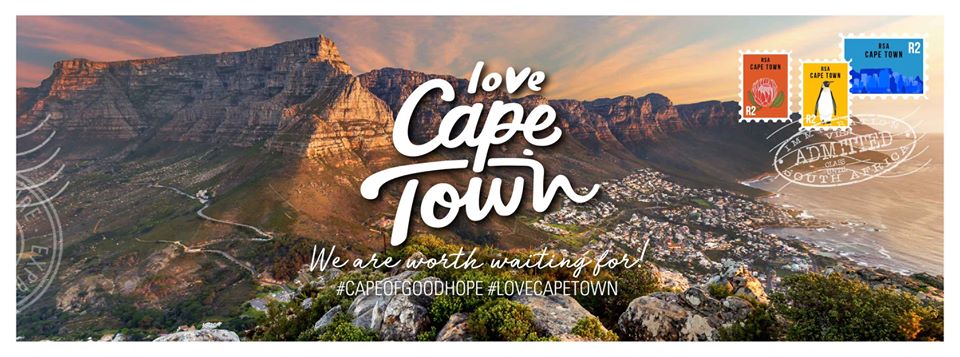
#AdChamp: Cape Town Tourism — We are worth waiting for Thumbs up!  Thumbs up!

This campaign, which includes a TVC, digital ‘postcards’ and pinnable images for Pinterest, is a warm love letter to the City of Cape Town and tourists, and is all about nurturing a long-distance relationship and creating hope and longing for being reunited — after it’s safe to lift lockdown travel restrictions. The city has pledged, alongside Cape Town Tourism, to continue investing in projects which keep the mother city top of mind; tourism is a key industry and an economic lifeline for many SMME businesses, accounting for thousands of jobs..

Explains Enver Duminy, Cape Town Tourism CEO, “With this campaign, we are reminding potential visitors what Cape Town has to offer and everything that visitors have to look forward to. You may not be able to dive into our oceans right now or laze on our shores; you can’t explore our wine farms or eat at our award-winning restaurants or be face-to-face with our locals; but we want you to know that we are still thinking about you and, when the time is right, we’ll be here ready to welcome you in true Cape Town style.”

Love Cape Town we are worth waiting for postcard Bo-Kaap Love Cape Town we are worth waiting for postcard Table Mountain aerial view


Credits

Brand: City of Cape Town
Agency: Cape Town Tourism

MarkLives will publish a full credits list once we receive one from the creative agency. At the time of publication, the list wasn’t yet available.


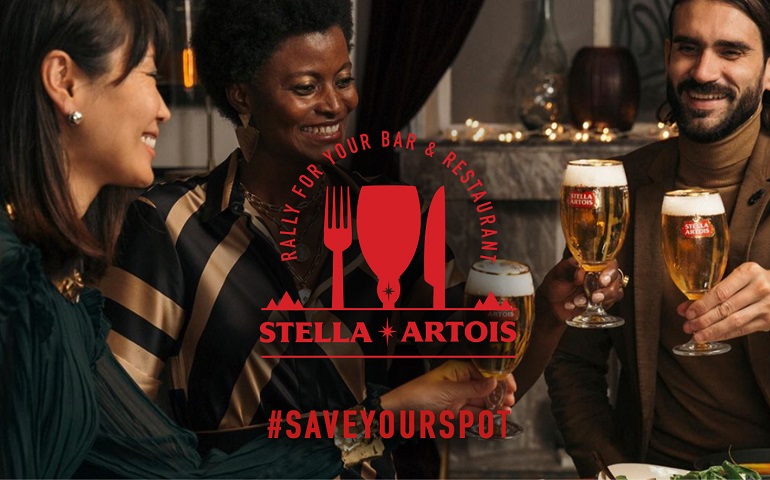
#AdChamp: Stella Artois — #SaveYourSpot Thumbs up!  Thumbs up!

Stella Artois #SaveYourSpot

rallyforyourbarandrestaurant.com

Times are incredibly difficult for everyone in the food services industry, with many restaurants, bars and local foodie spots closing their doors forever — but it’s not too late to offer a helping hand.

The Rally for Your Bar and Restaurant campaign by Stella Artois is a wonderful initiative for assisting our favourite hangouts. Anyone may participate by nominating their favourite spot (if it’s not already part of the campaign), then buying a voucher that will be redeemed once we can patronise restaurants and bars again. Stella Artois will then top up that purchase by 50%, which is incredibly generous. If you’re fortunate enough to have some spare cash, this is one way to ensure your favourite spot is still around when lockdown ends.

Credits

Brand: Stella Artois
Agency: DraftLine AB InBev
ABI project leads: Estee Burger, Sifiso Pule, Fred Frankel, Marsha Kumire, Vaughan Croeser, Vijay Govindsamy, Christo Geldenhuys, Ruan Kleynhans
Head of studio: Amy Beck
Chief creative officer: Neo Segola
Executive creative directors: Nigel Matthews, Loyiso Twala
Creative director: Glenn Kisela
Art: Siyabonga Mabaso, Jermaine Stallenberg, Jacques du Plessis, Jamie van Wyk
Copy: Gregory Walker, Connor Weber
Multimedia: Warren Kieser, Dewan Meyer
Head of digital products: Laurelle Simonetti
Accounts: Danyal Ismail
Strategy: Tavonga Musingarabwi
Producer: Puleng Khabutlane
Channels of influence: Deshnie Govender, Khanyo Siyobi
Sound engineer: Nathi Luthango
Performance: Silas Lekgoathi


See also

*Stella Artois credits added at 9.29am on 21 July; Grid Worldwide credits updated at 3.53pm and #SongOfHope credits at 10.38am on 10 June 2020.


MarkLives logoWho are Kyle de Waal and Morgan Botha? We are two young-at-heart millennials trying with all our might to break the mould of the stereotypical ‘all millennials are the same…’ because — after all — we’re all just people. Together with the editors of MarkLives.com, we enjoy finding ads worth watching and talking about, and then showcasing them here in our new monthly MarkLives column, #AdChamps.

If you’re involved in making South African or African advertising that’s smart, funny and/or engaging, please let us know at adchamps@marklives.com.

Sign up now for the MarkLives newsletter, including Ramify.biz headlines and become a MarkLives Member, too, to ensure continued coverage.

EXCLUSIVE: TBWA merges Yellowwood, HDI Youth

by Herman Manson (@MarkLives) TBWA\ South Africa has merged its HDI Youth Consultancy — just shy of its 24th anniversary — with Yellowwood, its 23-year-old marketing insights and strategy business. While the agencies combined officially as of 1 June 2020, the integration process will last through the rest of June 2020. The consolidated entity, whose branding is still to be decided, is headed by Refilwe Maluleke, Yellowwood MD.

Planned pre-covid

According to Luca Gallarelli, TBWA\SA GCEO, the move was planned pre-covid-19, and forms part of a larger internal reconfiguration of and broader alignment within the group, but admits the pandemic sped up the decision to merge the businesses. He says the group is interrogating its own configuration as it strives for greater efficiencies and greater collaboration within its ranks.

HDI Youth and Yellowwood employ 18 people each. Retrenchments are expected, Maluleke confirms, but the full extent of this isn’t yet known. Bongani Chinkanda, the former CEO of HDI Youth, has already left the business.

MarkLives logoWhile we have your attention, please would you consider taking out a MarkLives membership to help finance our operations? The covid-19 pandemic is having a huge impact on society and industry. With your support, either as a once-off or monthly contribution, we can continue our coverage of its impact on our industry.

Key area of investment

The youth market is a key area of investment for the group, says Gallarelli, and the merger should be seen as a doubling down on investment in the sector, rather than as it walking away from it. Yellowwood provides deep strategic thinking within the group and will take over data-rich HDI properties, such as consumer-behaviour survey, Sunday Times Gen Next, and the Junior Board of Directors panel.

The merger will create an opportunity for more-compelling insights on the youth market, says Maluleke, and strategies that are more robust and meaningful. She intends to take the best of HDI, including people, tools and platforms, and integrate these fully into Yellowwood’s research and strategy expertise.

HDI’s definition as a business, based as it was around youth insights and fulfillment, has become dated, says Gallarelli, especially at a time when activations and experiential are struggling due to the global pandemic and restrictions on the gathering of people, and the closing of campuses. Its real value now lies in youth insights and this is what the group believes will fit into and strengthen Yellowwood’s offering. Clients are reacting positively to the move, he says.

Offer smart solutions

According to Maluleke, Yellowwood hopes to offer smart solutions to what future activations and platforms of engagement for the youth market might look like. Physical activations and events, the stereotypical forums of engagement with the youth market, will finally be strategically assessed, she says. When required, TBWA\SA has its own activations unit that may be used to execute strategies.

In terms of existing properties, Gen Next’s field research was conducted pre-lockdown, and Yellowwood intends on finding insights and trends in the data collected, rather than only brand names which youngsters consider to be cool. She aims to augment and contextualise research results to a much-greater extent than in the past.

Maluleke promises youth insight that deliver commercial value to brands, noting that it’s incredible that Absa could walk away from its PSL sponsorship, probably because nobody could make a commercial case for levering its value, when clearly soccer is a massive point of passion in the lives of many youths.

She notes that brands will face real challenges in terms of how they plan to navigate the market over next two-to-three years, especially with so many unknowns, including how the pandemic will affect consumer behaviour over the medium and long term. It will require strategic ability not all organisations have available in-house, opening the door for Yellowwood.

See also


Herman Manson 2017Herman Manson (@marklives) is the founder and editor of MarkLives.com.

Sign up now for the MarkLives newsletter, including Ramify.biz headlines and become a MarkLives Member, too, to ensure continued coverage.

Zeitgeist of Now: Post-literate communication in a world of memes

by Jason Stewart (@HaveYouHeard_SA) “Post-literate communication” is a phrase explaining how technology’s changing how we create and consume that information.

Ten years ago

Ten years ago, we watched TV when we got home from work. We listened to the radio in the traffic, on weekends and even at parties. We read the newspaper and some magazines. All constant, predictable and repetitive. But, our consumption of information — media — has changed: we consume media almost continuously, from gifs and emojis to data visualisation, video, streaming, content highlights, soundbites… even disinformation. The structure of information is changing and becoming easier to absorb (and, instead of us consuming it, it’s consuming us) — more visual, shorter and powerful.

MarkLives logoWhile we have your attention, please would you consider taking out a MarkLives membership to help finance our operations? The covid-19 pandemic is having a huge impact on society and industry. With your support, either as a once-off or monthly contribution, we can continue our coverage of its impact on our industry.

This was brought about by humanity’s adoption of the mobile phone aka cellphone. As texting (smsing) created easier ways to communicate, which ‘wnt frm slng & shrtcts to emojisJ’ and then to gifs or memes (which are able to convey more context, emotion and specific feelings in a quicker way than people can type).

This graph shows the increased popularity in South Africa over the past few years.

Graph increase in gif popularity in South Africa

Top-searched gifs

Interestingly, the top-searched gifs in the country predominantly speak to sex and relationships, and then humour (sexy gif, ass gif, love gif, funny gif), while memes are predominantly there to make us laugh (funny meme). Memes are also cultural landmarks of what’s grabbing people’s attention at this specific time. Their power is in their simplicity and the focus of what they’re expressing in a way that’s unambiguous and universal.

Just as in PR or media, it’s the soundbite that counts — the verbal headline that’ll be broadcast and shared and then reshared — rather than the whole message. Today, it’s the meme that counts. Just think back to Super Bowl 2020: Shakira’s tongue-wag meme was one of the most-shared and -memorable moments of the entire event. The meme is The New Headline.

A great way to illustrate the power of memes is to understand how Lil Naz has managed to ensure his song has spent the most time of any song on the Billboard 100. In late 2018 (when he had around 30 000 followers), he noticed that he could grow his account quickly by putting out memes, so he focused on doing just that. The problem was that, while his memes would generate 2 000 retweets, his song links would only generate 10. So, he started pairing his songs with memes — which is what he did with Old Town Road — and the rest is history. Here’s the original tweet:

We’re even seeing celebrities and brands trying to drive the life of a meme, such as Casper Nyovest, whose dance move became a meme. He then cleverly pushed it further by offering his fans R10 000 for the who can do the #GoodForThatChallenge.

https://www.instagram.com/p/B8qQh3eA56b/?igshid=1vmu7t90kksf4

Use of vernacular

The use of vernacular in memes has had a profound impact on how South Africans communicate and connect. The cross-language communication means that any South African understands what’s being said. For instance, Aisha Baker sharing this isiXhosa word meme: SBWL (sabaweli — “I WANT”)

The Sesotho phrase, “O Jewa Ke Eng” (what’s eating you) has also crossed language boundaries, as has “Re tsene”, a Setswana phrase meaning “we are within”, made famous by local personality, Bonang Matheba.

The use of vernacular by brands on social media isn’t something new. What is, is how it’s been used with visual expression such as memes and gifs. Where it fails is when brands are either forcing it or overusing it. This just comes across as being inauthentic and out-of-touch creating, and creates an imposter perception.

The attention/distraction economy means we’re continuously searching for three seconds of joy — and brain scans show that we do indeed get dopamine hits from our newsfeeds, specifically memes and gifs (which is why there’s a crazy diet in Silicon Valley called the dopamine diet — which includes not looking at social media to build up your reserves for one massive hit: ‘more, less often’).

Memes and gifs are here to stay and will continue to reflect the mood, state of mind and attitude of culture. They’re the perfect way to both gain consumer insights and engage in a powerful and relevant way.

For brands

  1. Memes, gifs, emojis are a standard and expected form of communication within society today. Brands shouldn’t be afraid to use these as they can convey and communicate powerful information and emotion quickly — but they should only be used when relevant.
  2. Be careful of trying to appropriate and own a meme, gif, slang or emoji. These are ‘open source’ and part of culture and need to stay that way.
  3. Think differently about content and how consumers want to absorb it — the professional, slick and slow approach often isn’t as effective as the quick and raw but relevant.


Jason StewartJason Stewart is co-founder of HaveYouHeard (@HaveYouHeard_SA), a full-service agency. Zeitgeist of Now, his new column on MarkLives, is inspired by the agency’s proprietary tool developed to understand the invisible but powerful forces that influence people, products, culture and societies. If we appreciate these, he argues, we become more-effective marketers.

Sign up now for the MarkLives newsletter, including Ramify.biz headlines and become a MarkLives Member, too, to ensure continued coverage.

New Wunderman Thompson SA CEO steps into job, from home

by Herman Manson (@MarkLives) Miles Murphy (@mileswmurphy), Wunderman Thompson South Africa CEO since the start of April 2020, stepped into his new role shortly after South Africa’s ‘hard’ lockdown came into effect. He tore up his 100-day plan and changed his set of priorities to accommodate the new realities of running an advertising agency under lockdown amidst a global pandemic.

Across the range

Looking at SA’s competitive landscape, Murphy sees large integrated agencies leaning towards creativity product, creative hot shops and specialists (including tech, digital, social etc), but few of them are able to work across the range of creative, tech and digital and consulting, all of which he believes are now required by large client organisations.

MarkLives logoWhile we have your attention, please would you consider taking out a MarkLives membership to help finance our operations? The covid-19 pandemic is having a huge impact on society and industry. With your support, either as a once-off or monthly contribution, we can continue our coverage of its impact on our industry.

“Not one of these agencies currently does it all convincingly, with the depth of expertise in each discipline,” he says. “With the media space becoming increasingly fragmented and tech-enabled but still needing communication that is insight-driven and creatively innovative, the holy grail for clients is to find a single partner who has the depth of expertise in all these specialist disciplines to provide integrated solutions across multiple customer touchpoints.”

Wunderman Thompson has all the required component parts (creative, digital, tech, social and data consulting, each employing more than 100 people at the moment), he argues, and his job will be to “join all the dots” (so, integrate) between the various elements of the business effectively, and then to get the message out to market that it’s been done successfully.

Depth of expertise

Its depth of expertise is matched with a great client list (which includes Absa, Telkom, BMW, Unilever, Diageo, Vodacom, Ford and Standard Bank), says Murphy, and a senior, diverse management team. It also enjoys the backing of Wunderman Thompson globally. He believes that, once the integration between all the different units are complete, clients will quickly see value in tapping various pillars of expertise inside the agency.

Murphy joined Wunderman Thompson from Publicis Groupe Africa, where he served as chief operating officer. He is the founder of Liquorice (today Digitas Liquorice), which he sold to Publicis in 2014. Originally from the US, he started his career in Silicon Valley before moving to the UK, where he worked at several creative agencies plus a management consultant. In 2005, he moved to SA.

Although he hadn’t been considering a move from Publicis, the opportunity to start at Wunderman Thompson, an agency he admires for the way it’s put technology and digital at the heart of a creative agency, was a relatively easy decision, he says. Wunderman Thompson is the marriage of agencies Wunderman and J Walter Thompson (JWT), with the former known for its technology and digital offerings, and the latter for its creative credentials. The fact that Wunderman is listed first in the name, according to Murphy, is a nod to creating a future-focused agency and where its heart lies.

At the heart

Agency groups have long tried to digitise agencies by integrating digital and technology specialists into creative agencies but this rarely has the desired effect, he says. In contrast, Wunderman Thompson puts technology and digital at the heart. In SA, the agency integration has involved multiple specialists, including Wunderman, Aqua, Applogix, Base Two and Cerebra initially, to be followed by J Walter Thompson, The Hardy Boys and Mirum (formerly Quirk).

Murphy likes how the agency stretches over creative, tech and consulting, saying it creates an offer relevant to client demands and changing (some would say changed) times. This also matches up well with his own work experience, having run or worked for a tech company, several creative agencies, a digital agency and a management consultancy. He believes this skill set is what brought him to the attention of Wunderman Thompson, as its range of services is what will bring the agency to the attention of clients.

“The agency has been built through the amalgamation of some of the best and most-iconic businesses in the SA marketing landscape,” he says. “Entrepreneurial leaders started each entity with drive and unique culture. As an entrepreneur, I aim to channel that energy and passion. So, we are working to build a culture that is very open and diverse, reflecting the variety of our skill sets, backgrounds and cultures.”

Working remotely

According to Murphy, the agency had been working remotely for two weeks before the hard lockdown started in SA. He’d been watching the economic and health environment deteriorating, having first had to cancel one trip, and then cut short a second, in the mini one-month sabbatical he’d hoped to take between jobs. He was impressed by the speed with which the Wunderman Thompson senior leadership team managed to organise and equip staff for remote working, and set up protocols for client and staff meetings.

For now, he’s focused on ensuring staff members continue to be properly set up for working from home, are healthy and remain supported, even as the agency moves to reopen its offices in a limited way. All employees who can do so are encouraged to continue working from home. He’s also met (digitally) with the leadership teams of the agency’s 20 biggest clients, and is working with them to ensure they remain supported and that the agency continues to deliver great work timeously.

Agency teams have already participated in several global pitches while working from home, as well as a medium-sized local pitch, without much hassle.

The right support

Remote working has caused some stress among staff, as has the general economic situation and the strain of isolation, but the agency is working towards ensuring that everyone has the right support. As a slight silver lining, he notes that people have upped communication and seem more-focused on tasks at hand. Client relationships have also become less transactional, with real empathy visible between the various client and agency teams. He hopes this can extend into relationships post-pandemic.

Although all clients are suffering in some way because of the pandemic and resultant lockdown, some have been harder hit than others, but the digital and technology components have helped shelter the agency from the worst effects, and Murphy is confident that the agency will emerge stronger over both the short and medium terms. His advice to clients is to look after their people and partners, and to accelerate their own digital transformation, something most clients were already working towards. The right tech processes and marketing messaging will allow clients greater direct engagement with their customers.

Over the next 12 months, he expects the agency to get through the pandemic while retaining its strong market position; to deliver on his promise of joining the dots in terms of integration between the Wunderman Thompson specialist divisions; and to grow its share in servicing international clients of the global company.

Strong talent pool

SA has a strong talent pool, especially in technology and digital, and Murphy would like to build the agency as a hub for global work. “Our local team increasingly acts as a centre of excellence for the global network,” says Murphy. “We’re already operating as a technology hub for clients worldwide, and we plan to expand this substantially. My vision is to position Wunderman Thompson SA as the leading tech-enabled integrated agency with creativity and innovation at its core.”

See also


Herman Manson 2017Herman Manson (@marklives) is the founder and editor of MarkLives.com.

Sign up now for the MarkLives newsletter, including Ramify.biz headlines and become a MarkLives Member, too, to ensure continued coverage.

Hard Relate: A measurement by any other name

by David Alves (@TheDavidAlves) In an industry rife with contradictory information on what’s the best way to manage transparency for both clients and suppliers, there seems to be a glimmer of hope when it comes to transparent measurement.

Transparency

Measurement transparency comes in many forms. First, for those within an organisation, it’s not uncommon for employees in the same team to be measured on different KPIs. This is even more apparent in a corporate environment, when siloed teams are all laddering up their KPIs to a head of department or a chief what-what officer. But where the discrepancy materialises is around the definitions of success each individual may have regarding their specific KPIs and metrics.

It’s not uncommon to hear completely different definitions and understandings about the same metric in the same business. People come from different backgrounds and professional experiences, and have gleaned their knowledge from multiple sources through their careers. Many of those definitions are so ingrained that to explain another’s version of the same truth might seem like hearsay.

MarkLives logoWhile we have your attention, please would you consider taking out a MarkLives membership to help finance our operations? The covid-19 pandemic is having a huge impact on society and industry. With your support, either as a once-off or monthly contribution, we can continue our coverage of its impact on our industry.

So, if strategists are from Mars and marketing managers are from Venus, how do we get them both to learn sign? Without analogising this to death, there’s a simple — albeit theoretical methodology — that may be used to align siloed departments and their suppliers to business goals. Enter the measurement framework.

One framework to rule them all

What is it?

A measurement framework is a methodology and strategic business exercise to provide a standardised marketing measurement capability that is both aligned to commercial and marketing objectives, and that enables you, as a business, to make marketing decisions based on data and insights.

To make the measurement framework tangible and accessible, the goal is to visualise the metrics from all marketing — and if required — operational channels. This involves gathering and integrating data from all channels and providing dashboards which are relevant to various operational levels in the business. Once finalised, the framework should provide a process through which a business can map data against specific channels and then relate these to commercial and marketing objectives. Special focus needs to be placed on all marketing and communication activities across all channels, and how a business measures activities in respective channels.

The purpose of a measurement framework is to provide a standard measure against which a business will be able to understand the value that each of the respective channels deliver against set objectives. To achieve this, a business needs to understand the data available, how it’s created and the measurement that it ultimately enables.

How do we start?

A measurement framework consists of three main components:

  1. A KPI framework: This enables a business to take the day-to-day marketing KPIs and align them across the various department with the overall business objectives. The KPI framework standardises the way a business defines a KPI in marketing and helps to be guiding principles on how the business should be setting campaign objectives which will support the overall business objective.
  2. A data and metric framework: This focuses on specifying the exact way one would typically gather, transform and store data that will serve as the backbone for reporting and ultimately visualisation. This will also define the exact way that data points must be used in calculating a KPI.
  3. A reporting framework: This focuses on how a business ‘surfaces’ the insights and reports to its internal stakeholders. It’s important to define who’ll be using the reports and for what purpose in order to provide the information in the right context. Context is paramount here, as each business need is completely different. This component of the framework will also look at the tools used to surface the reports and insights.

The three steps above seem relatively easy to implement but the truth is in the detail. Before all of the above happens, there are many steps and internal engagements that a business needs to make in order to properly have the business aligned on measurement.

Taxonomy

Where the above often falls down is regarding taxonomy. That’s another planetary-language-term given to describe “business vocabulary”. Have you ever sat in a meeting when every second or third word is an acronym? We all know those kinds of meetings. A business vocabulary for projects, departments and process is as important when referring to KPIs and metrics.

If strategists are from Mars and marketing managers are from Venus, both Venusians and Martians are bound to be used to explain the same concept. A taxonomy allows the business to speak from the same cue cards and understand one another’s objectives, especially when it comes to measurement. Invariably, a taxonomy is part of the foundation work done before a measurement framework exercise to align the business internally with objectives and KPIs. As this is being defined, a business will find that it begins to develop a better understanding around what qualifies as a metric, as opposed to the KPI and the difference between strategic and diagnostic KPIs.

Did your heart love measurement till now?
Forswear it, sight!
For I ne’er saw true beauty till this framework is right.


David AlvesDavid Alves (@TheDavidAlves) is a business director and consultant at Acceleration South Africa, a Wunderman Thompson company, and a digital marketing specialist with over 12 years of entrepreneurial, digital agency and corporate experience, ranging from multinationals to SMEs. His specialities cover consumer and customer experience, the relationship management environment and technical experience across multiple technology suites. He contributes the regular column, Hard Relate — about martech, customer behaviour and experience — to MarkLives.com.

Sign up now for the MarkLives newsletter, including Ramify.biz headlines and become a MarkLives Member, too, to ensure continued coverage.

Curiosity: EGBOK and Springboks

by Marguerite Coetzee. South Africa’s story is one suspended in turbulence and this notion of uncertainty has rung true for decades. It’s not surprising, then, that Springbok Radio back in the day hosted a competition that asked listeners to decode the acronym: EGBOK. Just as the springbok transitioned from a symbol of separation to hope and then to unity, so, too, can we shift our national narrative and know that Everything’s Gonna Be OK.

1950s

The 1950s was a post-war era most commonly associated with a time of conformity and ‘traditional’ gender roles. Pop culture and mass media echoed messages of an ‘ideal’ society that largely excluded people of colour and fetishised domesticated women. It was during the Cold War that the term “nuclear family” was introduced to encourage American women to refuse a career and maintain their family instead. The US was introduced to commercial television, with a growing interest in and supply of soap operas. The target audience of these dramas, which were predominantly sponsored and produced by soap manufacturers, was assumed to be the typical housewife cleaning the house while she listened to the radio.

Meanwhile, South Africa launched its first commercial radio station: Springbok Radio. Similar to US TV at the time, its programmes were reminiscent of white suburban life. By the 1970s, it was making impressive strides (both financially and in listener popularity) yet, by 1985, Springbok Radio was operating at a loss and so it closed.

MarkLives logoWhile we have your attention, please would you consider taking out a MarkLives membership to help finance our operations? The covid-19 pandemic is having a huge impact on society and industry. With your support, either as a once-off or monthly contribution, we can continue our coverage of its impact on our industry.

It’s often stated — with undertones of shame — that South Africa was one of the last countries in the world to get a regular TV service (which happened in 1976). Those in leadership positions prior to 1976 opposed its introduction as it was feared it would bypass parental control in the household and encourage behaviour not accepted by the state.

Despite the late shift to TV, the impact of listeners transforming into viewers meant that less time was spent listening to the radio, and more spent on watching TV. This ultimately led to the end of Springbok Radio. Goodbye to The Adventures of Jet Jungle, sponsored by Jungle Oats and Black Cat; to the BP Smurf Show; and the Chappies Chipmunk Club. No More General Motors on Safari or the Castle Lager Key Game. Not one more Guess Who with All Gold or greeting the bride with Nestlé.

1985

For some South African youth, 1985 was the end of their childhood memories; of gathering around the radio to listen to stories, music, sitcoms, news, and chat shows.

For all of SA, 1985 signalled the beginning of a crumbling oppressive system. The nation collectively held its breath and wondered what the outcome would be. Following Mandela’s release from prison in 1990 and the official political dismantling of apartheid, SA was allowed to participate in the 1995 Rugby World Cup — and won. Up until then, rugby and the Springbok team had been perceived as a symbol of division. As SA chased its dream of being a rainbow nation, the Springboks’ win transformed rugby into a symbol of hope.

In 2018, Siya Kolisi became the first black captain of the Springboks — born a year after Mandela was freed from prison but still carrying the weight of apartheid — and a year later he led his team to victory in the 2019 Rugby World Cup and rugby has become a symbol of unity.

What?

It’s in times of chaos and moments of uncertainty that change is formed.

So what?

As the marketplace moves towards the transformation economy, people desire to feel changed on a personal level when engaging with brands. Being purpose-driven is no longer enough.

Now what?

Regardless of what a brand’s legacy is, it needs to adapt to survive. Think about where your business could be heading, and the kind of future you want to create. Then make it happen.

See also


Marguerite de Villiers Marguerite Coetzee is an anthropologist, artist and futurist who provides research and insight services through Omniology. “Curiosity“, the latest series in her regular column on MarkLives, explores the hidden and obscure histories, stories, and experiences of things in South Africa.

This MarkLives #CoronavirusSA special section contains coverage of how the novel coronavirus, SARS-CoV-2, and its resultant disease, covid-19, is affecting the advertising, marketing and related industries in South Africa and other parts of Africa, and how we are responding. Updates may be sent to us via our contact form or the email address published on our Contact Us page. Opinion pieces/guest columns must be exclusive.

Sign up now for the MarkLives newsletter, including Ramify.biz headlines and become a MarkLives Member, too, to ensure continued coverage.
Making meaning in the mess #coronavirusSA

by Wayne Naidoo (@WNaidoo) While we’re just starting to ease out of strict lockdown as our country deals with the devastating covid-19 pandemic, I can’t help thinking that this coronavirus might be the very thing that could cure the ills of our ailing industry. We can’t deny that the advertising industry has genuinely been in crisis for some time and we can try and blame the economy, corruption, the government and global warming, but, in reality, we only have ourselves to blame.

Imbalance

When referring to “ourselves”, I’m talking about everyone involved in the business. All the key stakeholders within our communications ecosystem have, in some way, contributed to a general climate of greed, mistrust and backstabbing that’s resulted in the demise of what was once the industry that everyone wanted to be a part of. But perhaps covid-19 and its overwhelming impact on both a human and economic scale can help us get back to basics and correct this imbalance.

MarkLives logoWhile we have your attention, please would you consider taking out a MarkLives membership to help finance our operations? The covid-19 pandemic is having a huge impact on society and industry. With your support, either as a once-off or monthly contribution, we can continue our coverage of its impact on our industry.

For far too long, we’ve all been pulling in different directions; we’ve all had our own agendas — be it a procurement agenda, meeting BEE targets, in-house politics — and the result is that we’ve all ended up working against each other. Sure, tough economic circumstances have had a role to play (when times are tough, it becomes a question of survival of the fittest), but what’s resulted is a frenzy of agencies throwing everything they have behind every single pitch they can — to the detriment of their staff, their budgets and their overall morale — and, very often, not winning any business or achieving anything in the process. In the wake, industry giants have closed their doors and morals, and ethics and values have been replaced with undercutting and soul-selling, all in the name of winning a pitch to placate large multinationals looking for their pound of flesh.

Coming out of this pandemic, where we’re likely to be faced with the greatest economic recession of our times, we’re going to have to strongly reconsider whether pitches are really a viable new business option. Will any agency be able to throw hundreds of thousands of rands at a pitch in good conscience? And will any of us even be able to afford it?

Moral and values

Just because we’re faced with trying circumstances doesn’t mean all gloves are off and the morals and values fly out the window. We’re about to face the toughest circumstances our industry has ever experienced; let’s not devalue our industry by our desperate need for business that leads to our “everyone is doing it” excuses for less-than-ethical behaviour.

It’s time for the elders and leaders of this industry to set the standard and kept things in check. It’s time to look past the micro-issues and focus on the bigger picture to find solutions that work for the entire sector. We need to step up, set aside our differences and pull together if we’re ever going to be able to build our industry back up again.

While we were all sitting in hard lockdown with loads of spare time on our hands, wouldn’t it have been great if we’d all spent some our time thinking of ways to regenerate and reinvigorate our industry when we come out of this storm? Or, now that we’re able to start functioning again, what about if we set up Zoom meetings with other agencies to see how they’re doing and see how we can help each other? Because I really do believe that’s what it’s going to take in all areas — open cards, open doors and all parties sitting down together to try and stop the blood loss.

Need to galvanise

There’s no doubt that covid-19’s already had a massive negative impact on our industry, but just maybe this pandemic could kill off the rot and give us all a healthy dose of humility and the opportunity to refocus on what truly matters. Because we’re all in this mess together and we all need to galvanise to pull our industry out. We work in one of the most-dynamic industries in the world. We’re blessed to be in the creative industry, “where life imitates art”, as so wonderfully articulated by Oscar Wilde. We play a massive role in oiling the cogs of our economy. We all need to look at workable ways of resurrecting our industry in a way that can help our clients and our economy grow.

My door is open to anyone who wants to sit down and thrash things out. Perhaps by making it a priority of the ACA, we can finally start to make meaning in the mess.

See also


Wayne NaidooWayne Naidoo (@WNaidoo) is the founder and CEO of DUKE. He is currently chairperson once again of the Association for Communication and Advertising (ACA) South Africa and was runner-up for MarkLives #AgencyLeaders2018 Most Admired Ad Agency Boss in Cape Town. .

This MarkLives #CoronavirusSA special section contains coverage of how the novel coronavirus, SARS-CoV-2, and its resultant disease, covid-19, is affecting the advertising, marketing and related industries in South Africa and other parts of Africa, and how we are responding. Updates may be sent to us via our contact form or the email address published on our Contact Us page. Opinion pieces/guest columns must be exclusive.

Sign up now for the MarkLives newsletter, including Ramify.biz headlines and become a MarkLives Member, too, to ensure continued coverage.
Q5: Using radio for change, with Nadia Bulbulia [interview]

by Carey Finn (@carey_finn) Nadia Bulbulia, National Association of Broadcasters (NAB) executive director, explains about the Free Radio Initiative (FRI) and other ways to get social causes on the airwaves.

Q5: Tell us about the Free Radio Initiative: what inspired it, and what is it hoped to achieve?
Nadia Bulbulia: The FRI is a brand-agnostic campaign under the umbrella of the NAB Commercial Radio Committee. It was developed in response to the abhorrent escalation of gender-based violence (GBV) in our country. The idea of pledging free airtime and resources to create national awareness campaigns, aimed at impacting meaningful change on various public concerns, was immediately supported. All efforts are currently focused on the devastating coronavirus pandemic. Other critical issues facing society, such as xenophobia and racism, were also considered. Our members are committed to working collaboratively on public-interest issues that advance the values of our constitutional democracy. This is essentially how the Free Radio Initiative was established.

MarkLives logoWhile we have your attention, please would you consider taking out a MarkLives membership to help finance our operations? The covid-19 pandemic is having a huge impact on society and industry. With your support, either as a once-off or monthly contribution, we can continue our coverage of its impact on our industry.

Q5: What are some of the key challenges facing radio broadcasting in South Africa?
NB: The broadcasting sector is highly regulated in SA. Radio broadcasters adhere to a wide range of conditions as set by ICASA, from licence fees and levies to local content requirements and financial contributions to advance media development and diversity. These conditions are monitored and there are consequences for non-compliance — the most severe being the possible withdrawal of a licence. Broadcasters operate in an environment of great policy and regulatory uncertainty, and the declining economy makes it all the more challenging to remain viable. Notwithstanding this, radio licensees continue to contribute to the national fiscus through licence fees and levies. During the period 2015–2018, the NAB radio members contributed approximately R700m to the fiscus. They are committed to the audiences they serve and have supported corporate social investment programmes to the value of R638m over the same period.

With the assistance of PwC, the NAB conducted a member survey in 2019 to assess key challenges facing radio broadcasters. There was consensus on the need for effective monitoring by ICASA, more government support for community radio, relaxing of ownership restrictions and harmonisation of government policies. An overwhelming concern relates to regulatory parity, as disruptive unregulated online content services are beginning to impact on the regulated radio sector. We are hopeful for some regulatory relief, as government is in the process of considering enabling policies to mitigate the effects of covid-19 on the South African economy.

Q5: How do you see radio in SA changing over the next 3–5 years?
NB: Our radio members have conducted digital audio trials with the Southern African Digital Broadcasting Association (SADIBA) to test the efficacy of DAB+ and DRM technologies. We have engaged both the government and ICASA on the benefits of digital radio (more cost-effective, greener and cloud-based technologies). We are hopeful that, in the next 3–5 years, digital audio services will be realised toward even greater diversity of languages and content. It could enable opportunities for more radio dramas, documentaries and programmes for children, the elderly, persons with disabilities, the LGBTQI+ and other marginalised communities.

As data costs come down and access becomes more affordable, we expect more online audience engagement and some growth in podcasting and streaming services. A recent NAB “infinite dial” audio-consumption study conducted by Edison Research shows that, while SA may lag several years behind the US and other developed countries, traditional radio is still the primary mode of consumption in SA and across the countries surveyed.

Although the delivery model of radio won’t change dramatically over the next 3–5 years, the shift in audience engagement from call-ins to online social media platforms will continue to grow. Audio-visual posts, user-generated content [UGC] and citizen journalism may also prove to be challenging, if not managed effectively. Greater investment in ethical journalism and fact-checking may need to be prioritised if we are to deal with fake news and misinformation. The swift action by government to criminalise the deliberate spreading of fake news and misinformation on covid-19 [report it here, too, on real411.org — ed-at-large] during the national state of disaster could inform the way forward in this regard.

With government’s focus on 4IR [fourth industrial revolution], it’s reassuring to note that radio has embraced the natural evolution of technologies in broadcasting. There is also constant nurturing and mentoring of talent across the value chain, and personality-driven radio will not be phased out in favour of artificial intelligence [AI]. What makes us human is what makes for good radio.

President [Cyril] Ramaphosa cautioned that the future is tenuous. He stated that our country faces not only the coronavirus but also finds itself confronted by the prospects of a very deep economic recession that will cause businesses to close and many people to lose their jobs. Sadly, we are living through an extraordinary and unprecedented time. I remain hopeful that, despite this tough outlook, radio will still hold its own. [It’s] vibrant, relevant and robust! I think audience and currency research may have to be reviewed and strengthened in this age of app-based technology solutions. Especially in the context of social distancing, and as access to the internet improves.

Q5: Besides initiatives such as Free Radio, how can we better exploit the potential of radio as a tool of social justice?
NB: The growth of radio in SA has been impressive since 1994. In responding to the interests and concerns of audiences, we have observed issues, that were once limited in coverage, shift dramatically over the years. Social-justice issues are now front and centre on many stations. We are experiencing more breaking news on radio and in-depth reporting and engagement on critical issues — increasingly through audiences themselves. Inequality is high on the agenda, and there is a framing of a wide range of issues, from healthcare, education, service delivery to environmental concerns. I am confident that NAB members will continue to collaborate in pivoting more toward fostering social justice campaigns and upholding SA’s Bill of Rights outlined in the Constitution. They have certainly risen to the challenge with covid-19!

Q5: How can readers get their social causes on the airwaves this year?
NB:
The FRI campaign themes will be determined by the NAB Commercial Radio Committee; however, readers are welcome to send details of their social causes to info [at] nabsa dot co dot za, and we’ll assess the interest of our participating radio members. The FRI is independent of any existing radio programmes that our members may already have in place to support specific social causes.


Carey FinnCarey Finn (@carey_finn) is a writer and editor with over decade and a half of industry experience, having covered everything from ethical sushi in Japan to the technicalities of roofing, agriculture, medical stuff and more. She’s also taught English and journalism, and dabbled in various other communications ventures along the way, including risk reporting. As a contributing writer to MarkLives.com, her regular column “Q5” hones in on strategic insights, analysis and data through punchy interviews with inspiring professionals in diverse fields.

Sign up now for the MarkLives newsletter, including Ramify.biz headlines and become a MarkLives Member, too, to ensure continued coverage.

Online CPD Courses Psychology Online CPD Courses Marketing analytics software Marketing analytics software for small business Business management software Business accounting software Gearbox repair company Makeup artist