

by Lynne Gordon (@lynne_gordon) From the trendy Union Bar to the #PLAYWITHOREO Pop-up Café*, pop-up stores are taking Mzansi by storm and gathering momentum as the new face of instant retail. But pop-up is not new to the backstreets of South Africa, where makeshift retail installations are as old as the idea that a shipping container could house a spaza, an over-the-counter shebeen or a Vodacom airtime shop.
Reinventing the backstreet pop-up to mirror global trends, smart brands are using short-term instant retail stores to create proximity, buzz and new brand experiences for SA’s pop-up nation.

Backstreet pop-up reinvented
Shipping containers are the new face of trendy urban retail developments around the world today. Affordable, mobile and sturdy, they’re the format for urban pop-up malls such as London’s BoxPark, where brands from Moleskine to Gap showcase their newest products and trends in container-sized temporary installations.
Launching shortly in trendy Melville in Johannesburg is 27Boxes, South Africa’s first full shipping-container mall, where an eclectic mix of long-term tenants and pop-ups will each occupy an average of just 14m2 retail space.
But container retail has long been the pragmatic choice in urban townships in SA. A used shipping container is just the right size to house a corner tuck shop, converted into a neighbourhood hair salon, or painted red for a mobile communications shop on busy suburban streets.
Now, venturing out of the shipping container into temporary retail and promotional spaces, pop-up stores reinvent the makeshift trading phenomenon to create a new form of instant retailing.
Why pop-up?
- Pop-up stores tap into a new movement towards participative brand experiences.
Brands that create the most impact understand that experiences are the new currency of brand-building, and want to create brand activations that amplify their product or service in memorable ways.

Magnum understands that it’s not selling ice-cream, but indulgence. Its Magnum Pleasure Store pop-up touring trendy spaces all over the country (and world) allows consumers to create personalised Magnum desserts and offers fashion shows, jewellery displays and other “pleasures-seeker” exclusive events.
The North Face created a pop-up experience in Korea that brought its ‘Never Stop Exploring’ adventure equity to life in a gamified retail pop-up store that tested shoppers buying adventure gear in an immediate adventure challenge.
- Limited-time pop-ups allow brands to create news and attract both engagement and consumption in a cluttered brand landscape.
Fusing brand and retail creates smart opportunities for memorable brand-rich sales outlets.
The Union Pop-Up Bar has become an annual limited-time Joburg cocktail bar and the perfect platform this year for Hendrick’s Gin to showcase its quirky brand and bring to life its product in uniquely South African ways

Serving cocktails such as Aromat Chocolate Mousse Martini, it’s using pop-up to successfully drive awareness and affinity — as well as consumption — of a brand that would otherwise get lost in the cluttered on-trade club and bar environment.
Open only until 10 July in Illovo, Johannesburg, The Union Bar has attracted young trend-setters with its exclusive image and a limited-experience window that ensures just enough #fomo to attract crowds and make it Instagram-worthy.
- Increasingly, pop-ups are the physical manifestation of virtual experiences.
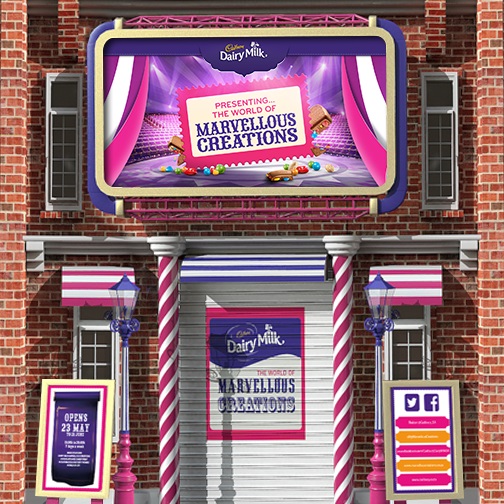
Cadbury’s new World of Marvellous Creations pop-up* in Sandton City is allowing consumers currently to create their own Cadbury chocolate delights and share their sweet combinations on social media, while the best-invented creations entered online will earn their makers prizes.
Jamie Oliver generated awareness of Drinks Tube — his beverages recipe channel on YouTube — through a physical pop-up store where visitors could request a new cocktail on #cocktailrequest and see it made in real life.
The richness of the internet comes to real life in innovative pop-ups.
Ideas for marketers
So does every marketer need to rush out to create a pop-up brand experience? Instead, consider how your brand can tap into the trends and needs underlying the pop-up phenomenon.
- Create new brand experiences that surprise and engage consumers.
Pop-ups work because they go beyond the traditional retail and brand experience to create more interactive, more disruptive experiences of brands in the real world. Whether in retail, communications or activation, brands need to challenge themselves to build experiences that add as much interest and value as their product or service, and to surprise consumers by going beyond the expected. - Consider the fusion of brand and retail to amplify both in-store and activation.
Communications and shopping are no longer distinct moments in the consumer journey. Instead, successful brands create seamless experiences that connect buying and brand-building. - Look at how your real and digital presence can intersect to bring news.
Powerful digital branding is more effective and generates greater reach when we can provoke discovery and engagement IRL (in real life). Alone, digital assets may lack reach and initial cut-through, but real-life installation of the brand allows the brand to generate significant digital buzz and traffic.

From the pragmatic shipping container to the polished pop-up cafe, we’re a pop-up nation. What better opportunity for brands to experiment — from instant retail close to consumers to brand experiences activated in exciting new ways — and find the new ways for brands to enter the psyche and lives of Mzansi consumers.
*All in all, Mondelēz South Africa has had three pop-up experiences, executed by Mbongiworks, over the last four years: in 2012, there was the Jacobs [Coffee] Board Game Café in Parkhurst; the #PLAYWITHOREO Café in Johannesburg in April/May 2015; and now the Cadbury World of Marvellous Creations at Sandton City. Mbongiworks was also responsible for the SA version of the Magnum Pleasure Store. — ed-at-large.

Lynne Gordon (@lynne_gordon) is the managing director at strategic marketing consultancy Added Value. She learned marketing on-the-job and is fascinated by the streets of South Africa, where small entrepreneurs — untrained as marketers — apply the art and science of branding to their businesses.
Her monthly MarkLives column, “Homegrown”, explores everyday businesses and the lessons corporate marketers can learn from the streets of Mzansi. Share your own observations, photos and examples of marketing from SA’s roadside with @lynne_gordon on Twitter.
— MarkLives’ round-up of top ad and media industry news and opinion in your mailbox every Monday and Thursday. Sign up here!