

by Preetesh Sewraj (@iPreetesh) There are a number of methods used by manufacturers to develop robust innovation pipelines but three trends tend to dominate.
The consumer-products market experiences a rapid rate of innovation that ensures a steady listing of new products on a regular basis. For many years, the product-innovation cycle was driven by innovation that offered marginal benefit from previous product iterations but, with rapidly increasing competition, there is a need to create products that exhibit enhanced innovation features.
This movement towards greater innovation serves not only to be more competitive, in a saturated marketplace, but also leads to greater margins as consumers are enticed to pay more for products with a better efficacy promise.
Here are the three trends:
1. Technological enhancement

The proliferation of technology in our daily lives has meant that consumers are open to not only accepting technology enhancements in products but being willing to pay more for these benefits. The enhancements are created by looking at existing categories with traditionally low-technology incorporation and developing ways to improve the consumer-usage experience through technological advancement.
It should be noted that these advancements need to add value to the lives of consumers to be accepted, and mere technology inclusion that appears as a gimmick doesn’t entice strong trial or repeat purchase.
The Reckitt Benckiser-owned Scholl is a great example of bringing technology into a long-ignored space. Early in 2015, Scholl launched an electronic foot file that is priced at around 15 times the price of a manual mass-market foot file. The price premium may appear to price the product outside the realm of consumer consideration but, through a strong education drive, the product is receiving significant purchase and bringing value into a long-ignored category. The manufacturer is now able to further invest in strong advertising through the margin that is being realised in stores.
2. Super products
“Super products” is a term that I use to describe a product trend that is finding favour among consumers. Overall, many brands have strong product portfolios, and there is no need to throw these out and start from scratch when developing an innovation pipeline. A better approach would be to enhance the existing products with over-engineered offerings that don’t appear radical enough to isolate the existing user base.
These enhancements may include format change (as in the case of the washing detergent move from powder to liquid) or added sensorial benefits (as in the case of scented toilet paper).
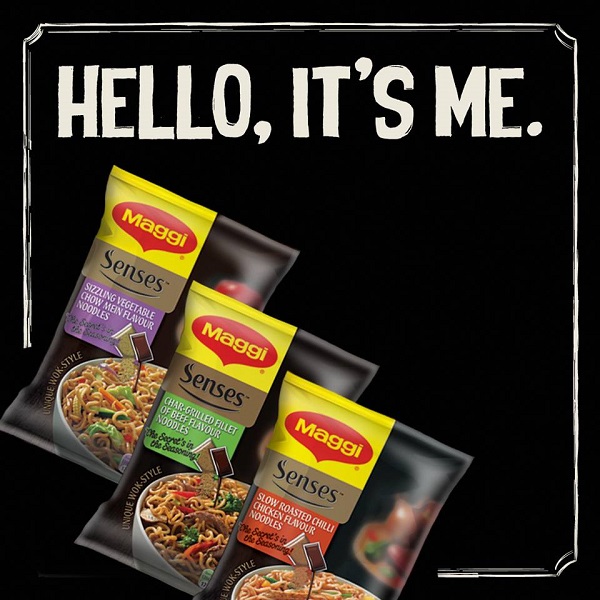
A recent example of this trend is the recent Maggi Senses launch. Maggi noodles have traditionally been a staple food that had a large appeal amongst consumers with a reduced disposable income. This doesn’t mean that the product appeals to low-income consumers but instead to individuals, such as students, who are upwardly mobile but reduce product interactions as their disposable income increases. The Maggi Senses range focuses upon two key areas of disruption, in the accepted knowledge about the product:
- The flavour is delivered in multiple sachets versus the traditional single sachet and moves from a powder-based flavour to a premium liquid flavouring, and
- the preparation method has moved from including the flavouring at the cooking stage to the post-cooking stage.
These subtle differences ensures that the consumer has a varied-enough experience to understand that a significant change has occurred and that this change is worthy of not only a price premium but to place the product as a serious contender for a “share of basket”, even as their income increases.
3. Time-saving proliferation

Convenience has always been a key driver of innovation but this has generally been limited to higher-income consumers. These generally have the disposable income to fund the time-saving developments, which is why convenience products tended to focus on the top end of the market. As with all technology, these learnings do reach a tipping point where it becomes economical to offer the benefit to a larger segment of consumers.
As convenience products are developed, manufacturers need to ensure that the product experience is not diminished and that the consumer is still able to take ownership of the final product. This ensures that the convenience factor doesn’t override the hero factor — the person delivering the product should still appear as the family hero vs the product taking centre stage. This ensures continued use of the product through a positive experience for the purchase decision-maker in the household.
Snowflake executed this thinking perfectly through the introduction of their Snowflake Treats range earlier this year. It promises patisserie-quality products in the home, coupled with timesaving.
A look to the future
These three trends should continue playing a significant role in product innovation for the foreseeable future, but it should be noted that the disruption of traditional categories offers the greatest potential for many manufacturers, which should see the development of new hero trends. Technology enhancement will soon include microchip-based products (imagine Scholl launching a foot file that reads resistance to indicate when the product has delivered upon maximum product benefit) and super products may soon evolve into more-complicated formats, coupled with new category usage experiences.
Disclosure: Maggie Senses was a 2016 Product of the Year winner.
 Preetesh Sewraj (@iPreetesh) is the CEO and chief innovation analyst at Product of the Year South Africa. He is passionate about the various facets of innovation that touch our lives and improve our life’s journey. He contributes the regular column, “Innovator’s Toolkit”, looking at innovation trends and the impact of innovation upon our ability to capture the hearts and minds or consumers, to MarkLives.
— Sign up now for the MarkLives email newsletter every Monday and Thursday, now including headlines from the Ramify.biz company newsroom service!