
by Emma King (@EmmainSA) I’ve always been a stickler for detail. I once refused to read a book that was self-published by someone (even though it was on an interesting topic) because it was laid out so badly — with inconsistent fonts and spacing and rubbishy low-res images.
It made me bad-tempered and irritable just looking at it.
What has this got to do with business, you ask?
Attention to detail makes the difference between an average and a good business.
Think, for example, of a PR company that sends out a badly written press release that is full of grammatical errors. Or one that sends out cut-and-paste emails to journalists without bothering to find out what they are interested in (or even getting their name correct!). What does this say about them, when they are positioning themselves as experts on communications (and charging poor clients as such)?
Or, likewise, an ad agency, whose account teams send out shoddy presentations to clients — littered with stretched images, and comic sans fonts, and clip art, and drop shadows on everything. What does it say about the company, when it is simultaneously trying to convince a client it is a master of crafts and aesthetics?
I once knew of a branding consultancy that charged a small fortune to advise corporates on how their customers’ perceptions of them affected their reputation and their bottom line. Meanwhile, its own offices — the first impressions clients had of them — were a run-down, cigarette-stained (this was back in the day) hell-hole in need of a scrub and more than a lick of paint.
Set apart
And yet, conversely, look at those businesses and brands that have set themselves apart because they care about the little things.
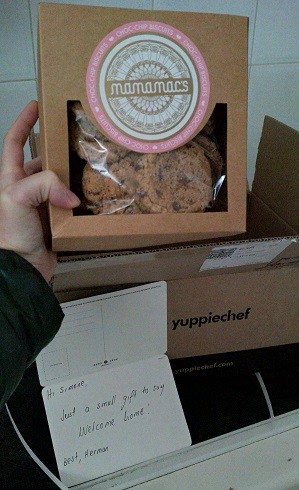
What about Yuppiechef, which — despite having grown inordinately since it started — still includes a handwritten note with every (beautifully packed) order? Of course, it wouldn’t be a successful business if it didn’t have a water-tight business model, great products and a stellar customer-service team. But it all adds up, especially attention to the small things.
Innocent, the trendy and fun UK smoothie company, has also grown a loved and massively successful brand by paying attention to the little details. Despite now being a multi-million pound business, the founders still obsessively check every aspect — down to things such as having “enjoy by” instead of “best before” dates on the packaging.
I heard about a photographer who would send the assistant out to get a photo printed of the couple during their wedding reception, so a framed print of their wedding day could be handed to them before they left on honeymoon. Think about the goodwill harnessed, let alone that valuable “word-of-mouth endorsement”.
Epic, special, effective
It’s not just in customer service that attention to detail matters. In developing a campaign or a marketing plan for a brand, that same attention to detail — that obsession over making every single element just that tiny bit better — is what makes something particularly epic, special or effective.
So, people may roll their eyes or laugh when I pedantically check spelling and font formatting in documents. I don’t care — because I know there are other people out there who feel the same and will want to work with my business over another because of it.

Emma King (@EmmainSA) is the owner and MD of The Friday Street Club (@TheFridayStClub). Previously, she was head of PR at The Jupiter Drawing Room (Cape Town). She contributes the monthly “The Dissident Spin Doctor” column on PR and communication issues to MarkLives.com.
— MarkLives’ round-up of top ad and media industry news and opinion in your mailbox every Monday and Thursday. Sign up here!