

Cheryl Hunter (shelflife at marklives.com)’s weekly pick of all things new — product, packaging, design, insight, food, décor and more!
- Ecoffee Cup captures SA
- SANBS in a world without A, B and Os
- Out with LSMs; in with SELs
Coffee with a conscience
It is estimated that as many as 100bn single-use coffee cups are thrown away each year, a statistic that inspired the launch of local brand Ecoffee Cup, which is challenging the waste epidemic with a unique range of reusable, recyclable and stylishly designed takeaway cups.
Over the last two decades, humans have become a “plastic” society, with something like 90% of all plastic created being used for single-use items. Says Joris van Grieken, marketing director at Ecoffee Cup, “In 2015, when we read that half-a-trillion single-use cups get manufactured each year (and that most of these end up as landfill), we set out to make some change — not revolutionary but somehow contributory to social good. We certainly never set out to be eco-warriors, but once you become aware of the unsustainability of single-use items, you realise that everyone needs to change. And therefore we created a product that is environmentally very strong and beautifully designed.”
Founder and head designer, David McKlagan, says, “Our design philosophy is a simple one: Have Fun. Do Good. We think there should be an Ecoffee Cup for everyone; that’s why we have more and more designs from international designers. Our influences come from the streets of Kyoto or holy sites of Isfahan to the coffee houses of Stockholm and hipster bars of Melbourne. We are about surprise and we take our design language seriously.

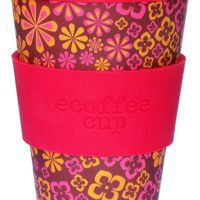


“We think that people don’t like feeling ‘nagged’ or preached at about the environment — so we think that the focus is on creating a stylish, desirable product first, social conscience later. This is the best way to get people to change. Collectability and peer-to-peer recommendation are also important ways to influence consumer decisions.”
Created with the world’s fastest-growing, most-sustainable crop — naturally organic bamboo fibre and non-GMO corn starch — the Ecoffee Cup is BPA- and -phthalate free: a tactile experience similar to thick, yet light, cardboard. Bamboo is a naturally organic crop that uses no pesticides and is naturally sterile, preventing flavour taint and, unlike plastic, contains no petrochemicals and is biodegradable at the end of its lifecycle, as well as being super-light. The cup itself is dishwasher safe and should last for years — if you treat it well of course.
The South African Coffee Club (SACC) says coffee consumption and business has grown dramatically in South Africa, with less than 20 roasteries 10 years ago versus the just over 100 today, many of them small startups.
The product launched this month and is available in 14 designs in 400ml and 340ml sizes.
www.ecoffeecup.co.za • Facebook • Twitter
Where are A, B and O?
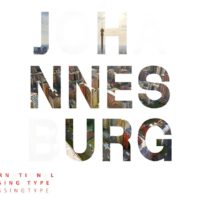
The South African National Blood Service (SANBS) is taking part in a global #MissingType Campaign to attract new young donors, following a survey that revealed a 30% drop in new donors across 21 countries in 2015, compared to a decade ago, and with just 7% of new blood donors in SA between the ages of 16 and 25.
As, Bs and Os — the letters of the main blood groups — began disappearing from iconic locations and well-known brand names this month, including Australia, America, Japan, Ireland and England. Additionally, patients from around the world whose lives were saved by transfusions have thanked blood donors in a moving video, called Talking Heads, to highlight that, in a world without As, Bs and Os, they would not be here today.
The campaign — first held in England and North Wales by NHS Blood and Transplant in 2015 — brings together 25 blood services from 21 countries this year, covering 1bn of the world’s population who are each calling for new donors to ensure blood donation for future generations. Key barriers to people coming forward to donate that have been identified by blood services around the world include: increasing urbanisation, wider and more-exotic travel, less free time, a lack of awareness about the need for more diverse blood donors, and a rise in the popularity of tattoos.


Says Silungile Mlambo, senior marketing manager for the SANBS, which collects, tests and processes blood across SA, “Blood transfusions save lives and transform health for millions across the world. But they are dependent on people donating blood. We really hope that people living in SA will be inspired by the Missing Type campaign and start saving lives by becoming blood donors. It’s incredibly easy and painless to donate blood, by simply visiting one of 86 donor sites, or 66 mobile teams in the country.”
To sign up as a new donor, go to the SANBS website for your closest donor site.
sanbs.org.za • Facebook • Twitter • Hashtag
New measurement standards
The new Establishment Survey, which should be released in early 2017, is replacing the AMPS survey that ended this year. It introduces Socio-Economic Levels (SELs) and initially also includes Living Standards Measurements (LSMs), but only to assist the transition, and these will be phased out — a move that many agree is long overdue.
LSMs are based on the household, meaning everyone in the household sits in the same LSM, whereas SELs refer to both a household SEL and a personal SEL. The former categorises you according to the standard in which your household lives and the latter categorises you in terms of your economic potential.
Says Limelight consulting director of strategy, Ross Sergeant, “As anyone who has worked for a multinational organisation would know, SA is no longer in a little bubble and isn’t completely different to the rest of the world. There are market similarities all around the globe and an astute marketer can use learnings from similar segments in other markets from one country to the next. SELs are a global standard and allow us to not only learn from other markets but also explain our market far more easily to global brand teams and global stakeholders.”
Take a look at the new segmentation system below, with thanks to Limelight Consulting:


Shelf Life is MarkLives.com’s weekly column covering all things new. Notify us of yours at shelflife at marklives dot com. Want to sponsor Shelf Life? Contact us here.
Cheryl Hunter (@cherylhunter) has written for the South African media, marketing and advertising industries for more than 15 years. A former editor of M&M in Independent Newspapers and contributor to Bizcommunity, AdFocus, AdReview and the Ad Annual, she has also produced for various television networks and currently consults on communication strategy and media liaison.
— Sign up now for the MarkLives email newsletter every Monday and Thursday, now including headlines from the Ramify.biz company newsroom service!